Security ROI: Why Security Is an Investment, Not an Expense

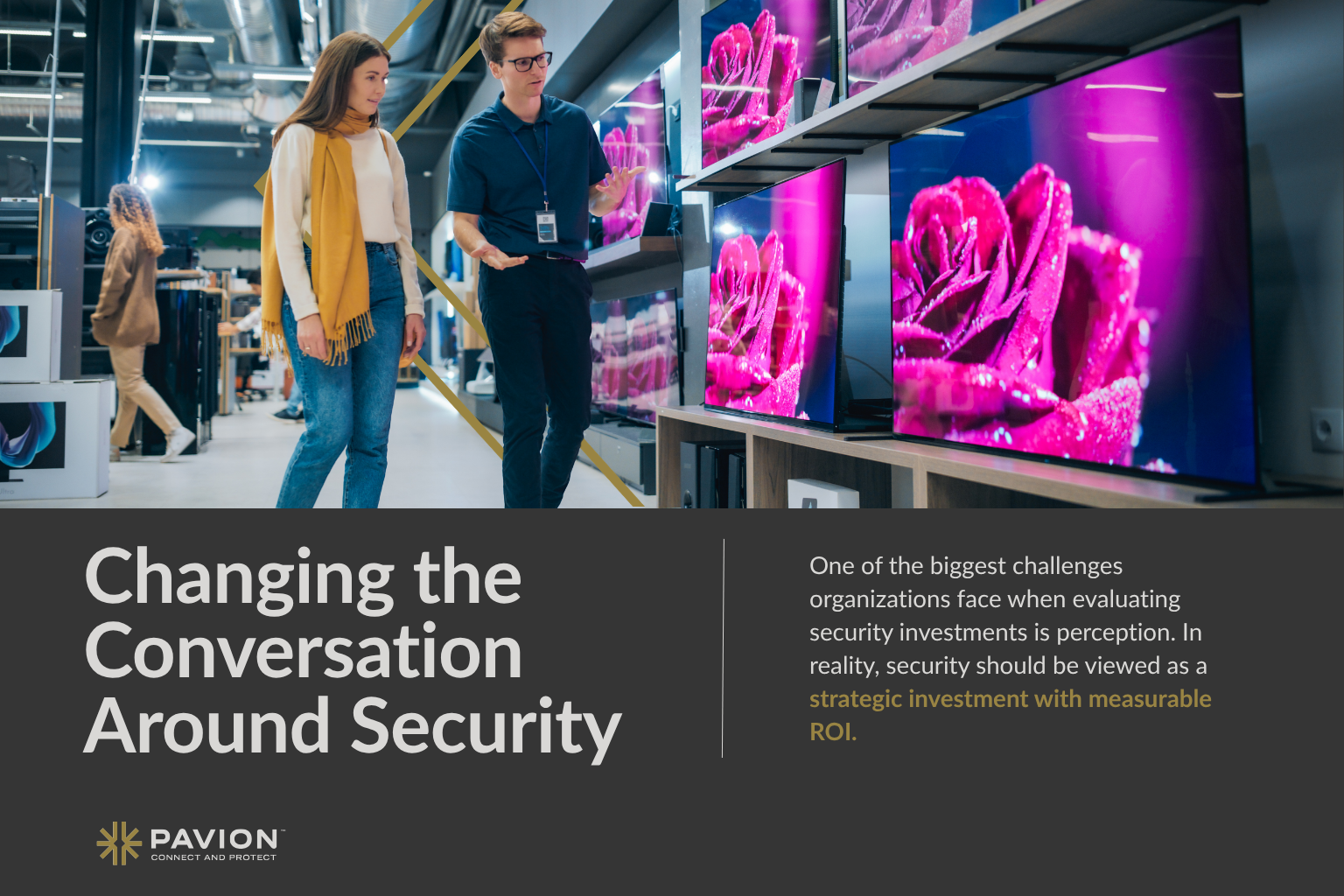
Changing the Conversation Around Security
One of the biggest challenges organizations face when evaluating security investments is perception.
Security is often viewed as:
- A necessary cost
- A compliance requirement
- An expense with no clear return
In reality, security should be viewed as a strategic investment with measurable ROI.
Understanding Security ROI
Return on investment (ROI) in security is calculated by comparing:
- The cost of a system
- The financial impact of prevented losses and operational improvements
While some benefits are tangible, others—like risk reduction—are just as critical.
A Real-World Example: Bars and Restaurants
Consider a common scenario:
The average bar or restaurant with a bar may experience approximately $50 or more per day in losses due to internal and external theft.
That equals:
- Over $18,000 annually
If a security system reduces that loss by just 50%:
- ~$9,000 saved per year
With a system investment of $15,000:
- Break-even occurs in approximately 18 months
After that point, the savings continue—turning the system into a revenue-protecting asset.
ROI Beyond Theft Prevention
Security investments provide value in multiple ways:
1. Loss Prevention
- Reduces theft and shrinkage
- Protects assets and inventory
2. Liability Reduction
- Provides video evidence
- Reduces legal exposure
3. Operational Efficiency
- Improves employee accountability
- Streamlines processes
4. Insurance Benefits
- Potentially lowers premiums
- Supports claims with documented evidence
5. Business Intelligence
- Analytics provide insights into operations
- Supports better decision-making
The Hidden Cost of Not Investing in Security
Choosing not to invest in security comes with risks:
- Ongoing financial losses
- Increased liability exposure
- Operational inefficiencies
- Damage to reputation
These costs often exceed the investment required for a proper security system.
How to Evaluate a Security Investment
When considering a system, organizations should ask:
- What risks are we currently exposed to?
- What are our average losses?
- How much could we realistically reduce those losses?
- How quickly could the system pay for itself?
A knowledgeable security partner can help quantify these factors and build a clear ROI model.
From Expense to Strategic Asset
When viewed correctly, security becomes:
- A cost-saving measure
- A risk management tool
- A driver of operational efficiency
This shift in mindset allows organizations to make smarter, more confident decisions.
Frequently Asked Questions
How do you calculate security system ROI?
By comparing the cost of the system to the financial savings from reduced losses, improved efficiency, and risk mitigation.
How long does it take to see ROI?
Most organizations see ROI within 12 to 24 months, depending on the application and level of risk.
Is security worth the investment for small businesses?
Yes. Even small reductions in loss or liability can quickly offset the cost of a system.
What industries benefit most from security ROI?
Retail, hospitality, healthcare, and education environments often see the most measurable returns.
Can security systems generate revenue?
Indirectly, yes. Through loss prevention, operational improvements, and data insights, security systems can positively impact profitability.
Final Thought
The conversation around security needs to change.
It’s no longer about whether you can afford to invest in security—it’s about whether you can afford the risk of going without it.