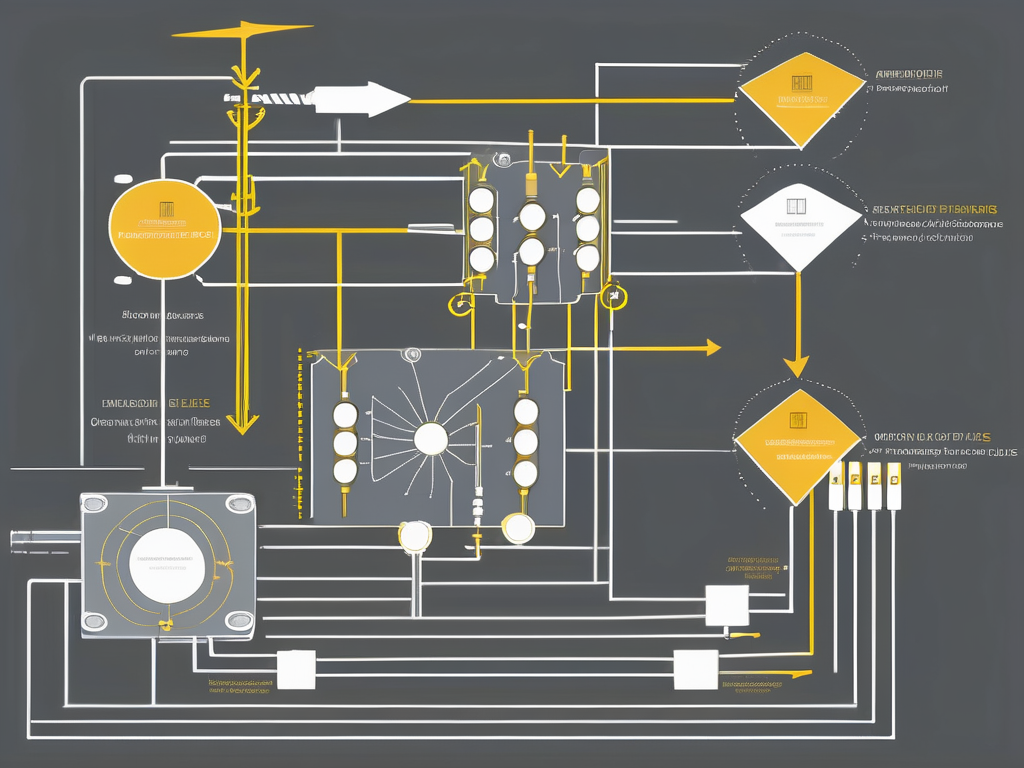
Understanding the Basics: What is a BDA (Bi-Directional Amplifier) Site Survey?
In the realm of wireless communication, the Bi-Directional Amplifier (BDA) plays a pivotal role. It is a device that enhances the strength of radio signals, ensuring seamless communication in buildings, especially in areas where signals are weak or non-existent. A BDA site survey measures public safety radio signal strength throughout a building to show whether a BDA system is needed and where it should go. This guide covers how a BDA site survey is conducted, the pass/fail criteria inspectors use, and the codes that require it.
What is a BDA (Bi-Directional Amplifier)?
BDA stands for bi-directional amplifier, a signal booster that carries two-way radio signals into and out of a building. It boosts wireless signals, particularly in areas where these signals are weak or non-existent. It is designed to improve radio frequency (RF) signal coverage in buildings, tunnels, parking structures, and other areas where signal strength can be compromised.
BDAs are critical in ensuring reliable communication for emergency responders. They enhance the signals of two-way radios, which are often used by fire, police, and EMS personnel. Without a BDA, these signals can be obstructed by building materials, leading to communication failures during emergencies.
What is a BDA Site Survey?
A BDA site survey is an in-depth assessment conducted to determine the need for a BDA system within a building or facility. The survey identifies areas with weak or non-existent signals and provides the necessary data to design an effective BDA system.
The survey involves testing signal strength throughout the building, identifying potential obstructions, and determining the optimal locations for installing the BDA and its associated antennas. The goal is to ensure that the BDA system provides comprehensive coverage, enabling reliable communication throughout the facility.
Why is a BDA Site Survey Important?
A BDA site survey is a critical step in ensuring that a BDA system is effective and compliant with local and national regulations. Without a proper site survey, a BDA system may not provide adequate coverage, leading to communication failures during emergencies.
Furthermore, a site survey helps to prevent costly mistakes during the installation process. By identifying the optimal locations for the BDA and antennas, the survey can help to minimize installation costs and ensure that the system is installed correctly the first time.
Not sure your building passes a radio coverage test?
Contact Pavion to schedule a BDA site survey.
How is a BDA Site Survey Conducted?
A BDA site survey involves several steps, each designed to gather specific information about the building and its signal coverage needs. The process is typically conducted by a team of professionals who specialize in wireless communication systems, such as the experts at Pavion.
Initial Assessment
The first step in a BDA site survey is an initial assessment of the building. This involves reviewing the building’s blueprints and conducting a walk-through to identify potential signal obstructions, such as concrete walls, metal structures, and underground areas.
The team will also review the building’s existing systems, including the fire alarm control panel, which typically monitors the BDA for faults such as donor antenna failure, low battery, and amplifier failure.
Signal Testing
Once the initial assessment is complete, the team will conduct signal testing throughout the building. This involves using specialized equipment to measure the strength of the existing signals and identify areas where the signals are weak or non-existent.
The results of the signal testing will provide the team with a clear picture of the building’s signal coverage needs. This information will be used to design the BDA system and determine the optimal locations for the BDA and antennas.
What the Survey Measures: dBm, DAQ, and Coverage Grids
Most BDA site surveys follow the same method inspectors use for acceptance testing:
- Each floor is divided into a grid of equal-sized areas, typically around 20 cells per floor, and readings are taken in each one.
- Signal strength is measured in dBm, both downlink (from the radio tower into the building) and uplink (from a portable radio back out). A common minimum is -95 dBm.
- Audio quality is scored on the Delivered Audio Quality (DAQ) scale. Many jurisdictions require DAQ 3.0 or higher, meaning speech is understandable with only occasional repetition.
- Coverage targets are typically 95% of general building areas and 99% of critical areas such as stairwells, fire command centers, and elevator lobbies.
A building can pass a DAQ check and still fail on dBm, which is why both are measured. Your AHJ sets the exact thresholds and frequencies.
System Design
After the signal testing is complete, the team will use the data gathered to design the BDA system. This involves determining the type and number of BDAs needed, the optimal locations for the BDAs and antennas, and the best way to integrate the BDA system with the building’s existing communication systems.
The goal is to design a BDA system that provides comprehensive coverage, ensuring reliable communication throughout the building, even in areas where the signals were previously weak or non-existent.
When BDA Site Surveys Happen: Pre-Construction, Acceptance, and Annual Testing
A building may need more than one survey over its life:
- Pre-construction or pre-occupancy: many fire departments recommend a signal study before construction is finished, because adding a BDA late can delay a certificate of occupancy.
- Acceptance testing: after a BDA is installed, the system is tested against the AHJ’s criteria before the building is approved for occupancy.
- Ongoing testing: most jurisdictions require annual inspection and testing, and some require a full coverage retest every five years or after renovations. A new building nearby can also change signal levels.
Most surveys take two to eight hours depending on the building’s size and access. For the broader first-responder context, see the importance of reliable communication systems for first responders.
BDA Site Survey Code Requirements: IFC 510 and NFPA 1225
In-building emergency responder radio coverage is required by Section 510 of the International Fire Code and by NFPA 1225 (which absorbed the former NFPA 1221), as adopted by your state or city. These codes set minimum signal strength, coverage, battery backup, and monitoring requirements for an emergency responder radio coverage system (ERRCS). Your authority having jurisdiction (AHJ), usually the fire marshal, decides whether a BDA is required, which frequencies must be covered, and who may perform the test – many require written permission before a survey begins.
Explore Pavion’s fire communication infrastructure.
See how Pavion designs, installs, and tests BDA and ERRCS systems.
Conclusion
A BDA site survey is an essential step in the process of installing a BDA system. It provides the necessary data to design an effective system, ensuring reliable communication throughout the building and compliance with local and national regulations.
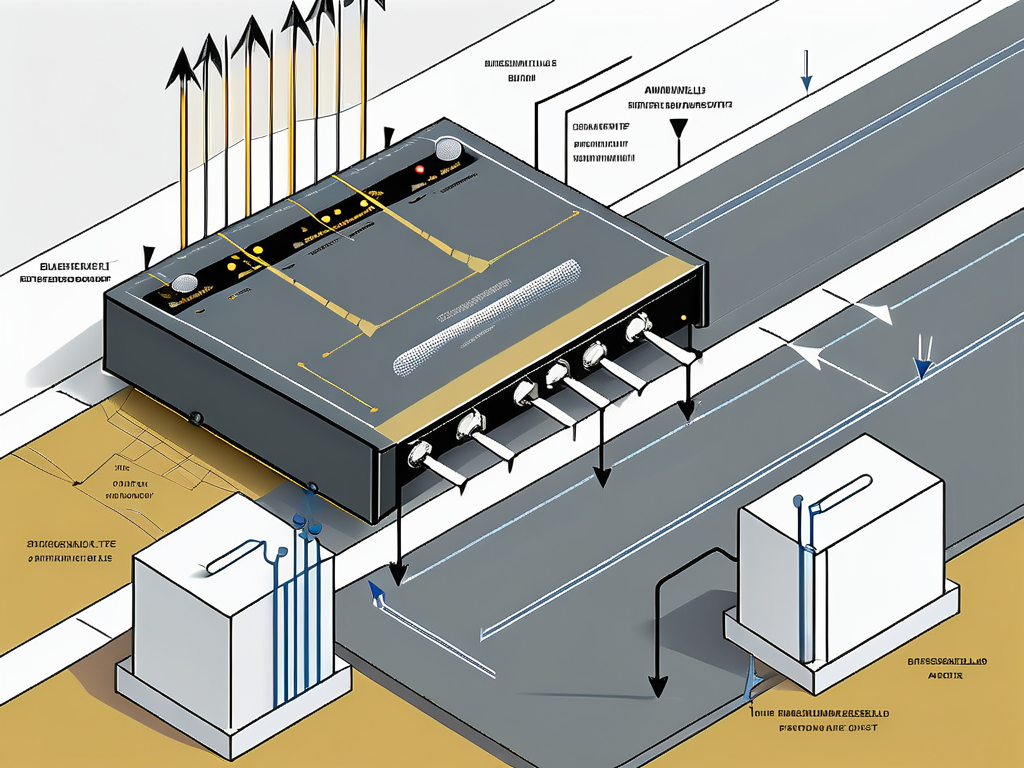
At Pavion, we specialize in conducting BDA site surveys and designing BDA systems. Our team of experts has the knowledge and experience to ensure that your BDA system provides comprehensive coverage and meets all regulatory requirements. Contact us today to learn more about our services and how we can help you improve your building’s communication systems.
FAQs: BDA Site Surveys
What is a BDA site survey?
A BDA site survey measures public safety radio signal strength and audio quality throughout a building to determine whether a bi-directional amplifier system is needed and how to design it.
What does BDA stand for?
BDA stands for bi-directional amplifier, a signal booster that carries two-way radio signals into and out of a building.
How long does a BDA site survey take?
Typically two to eight hours, depending on the building’s size, number of floors, and access.
What signal strength is required to pass?
A common minimum is -95 dBm with a Delivered Audio Quality (DAQ) of 3.0, covering 95% of general areas and 99% of critical areas. Your AHJ sets the exact requirements.
How often does a BDA system need to be tested?
Most jurisdictions require annual testing, and some require a full coverage retest every five years or after major renovations.
Ready to Enhance Your Communication Systems?
At Pavion, we understand the critical importance of clear and reliable communication within your organization. Whether you operate in the enterprise, healthcare, education, government, data center, or retail industries, our tailored fire, security, and integration solutions are designed to meet your unique needs. Take the first step towards transforming your building’s safety, security, and communication systems. Get a Free System Assessment today and experience our commitment to technology innovation and radical service.