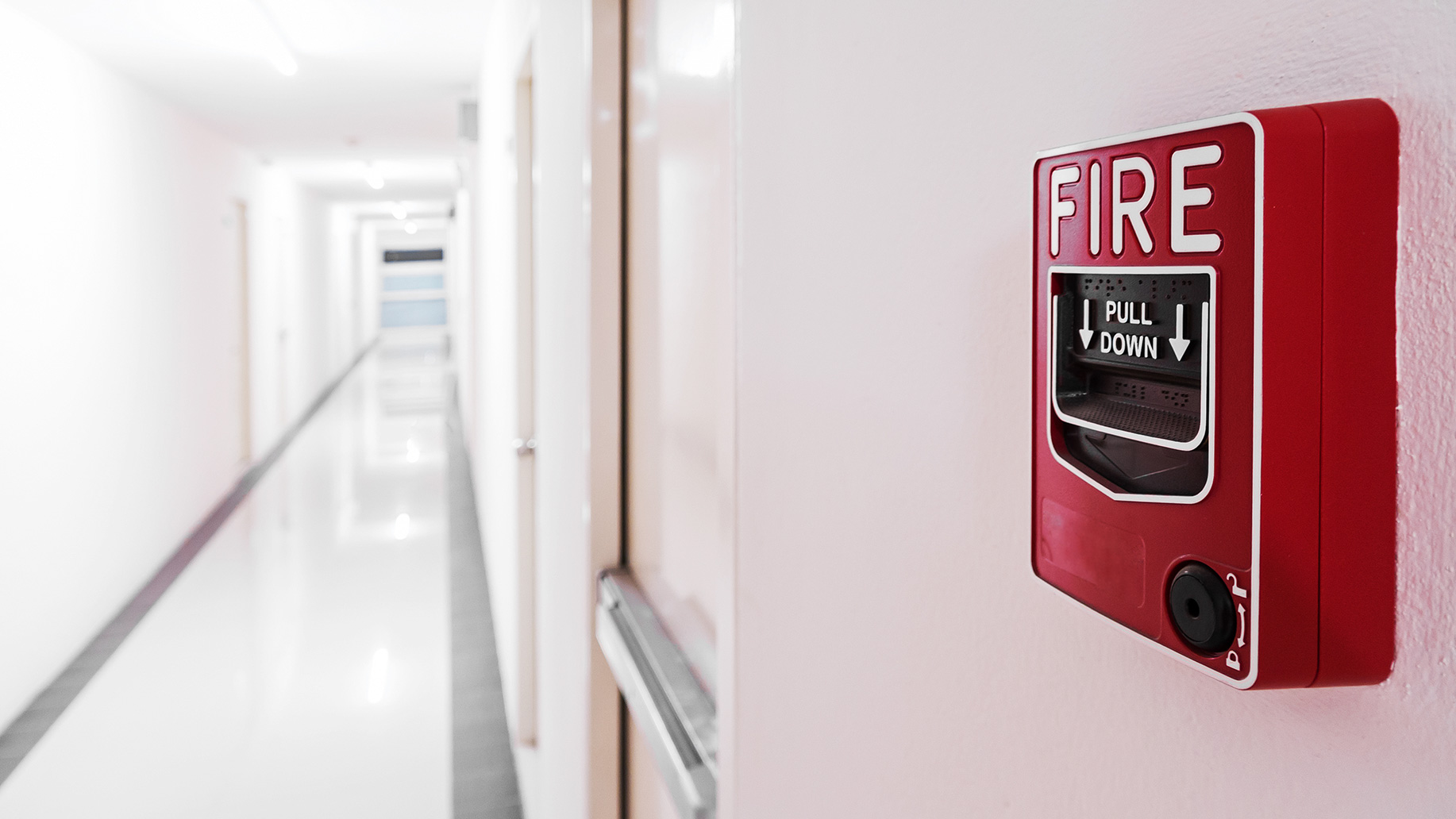
Addressable Fire Alarm Panels: How They Work and When to Upgrade from Conventional
Maybe your facility has expanded, your floor plan has changed, or your existing fire alarm system is simply aging past its useful life. Whatever the reason for replacing it, the control panel is the heart of the decision. An addressable fire alarm panel identifies every connected detector, pull station and module individually, which is why it has become the standard for most commercial buildings. This guide explains how an addressable fire alarm panel works, what connects to it, and the signs it’s time to upgrade from a conventional panel.
Conventional vs. Addressable at a Glance
A conventional fire alarm panel groups devices into zones, each wired on its own circuit, so the panel can only report which zone is in alarm. An addressable fire alarm panel communicates with each device individually and reports its exact location. Conventional panels can still suit small, simple buildings, while addressable panels are better suited to larger, multi-floor or mission-critical facilities. For a full side-by-side comparison, see addressable vs. conventional fire alarm systems.
What Is an Addressable Fire Alarm Panel?
An addressable fire alarm panel is a fire alarm control panel (FACP) that assigns a unique address to every connected device. When a smoke detector, heat detector, pull station or monitored device activates, the panel displays exactly which device it is and where it is located – for example, ‘Smoke Detector – 3rd Floor East Corridor’ instead of ‘Zone 3.’ That is why addressable systems are often called intelligent systems.
Because many devices can share one circuit, addressable panels typically need less wiring than a conventional system with a separate circuit for every zone. The panel and devices cost more upfront, but device-level information makes troubleshooting, maintenance and future expansion faster and simpler.
How an Addressable Fire Alarm Control Panel Works
Signaling Line Circuits and Device Addresses
Devices connect to the panel on signaling line circuits (SLCs), often called loops. The panel continuously polls each address on the loop, so it knows not only when a device is in alarm, but also when a device is missing, dirty or has failed. Larger buildings use panels with multiple loops, or several panels networked together.
Class A and Class B Wiring
An SLC can be wired as Class A, where the circuit returns to the panel so devices keep communicating if the wire is broken in one place, or as Class B, where the circuit ends at the last device. Isolator modules can also be added to limit how much of a loop is affected by a short circuit. The required pathway class depends on the occupancy, the design and the requirements of NFPA 72 and the authority having jurisdiction.
Alarm, Trouble and Supervisory Signals
An addressable panel reports three main types of events: alarm (a fire condition), trouble (a fault such as a wiring break or failed device) and supervisory (an off-normal condition in a connected system, such as a closed sprinkler valve). Each event is tied to a specific device, so technicians can go straight to the source.
Programming and Event History
Addressable panels can be programmed so specific devices trigger specific responses – for example, recalling elevators, releasing door holders or activating notification in certain areas. The panel also keeps an event history that supports inspections, testing records and troubleshooting.
Key Components Connected to an Addressable Panel
An addressable fire detection system is built around the panel and typically includes:
- Addressable smoke and heat detectors
- Addressable manual pull stations
- Monitor modules that connect devices such as sprinkler waterflow and tamper switches
- Control and relay modules that operate door holders, dampers, elevators and other equipment
- Isolator modules that protect the loop from short circuits
- Notification appliances (horns, strobes and speakers) and their power supplies
- Remote annunciators that repeat panel information at responder entrances – see the difference between a fire alarm annunciator and a control panel
- A communicator that sends signals to a central monitoring station
Signs It’s Time to Upgrade from a Conventional Panel
Conventional panels can run for many years, but these signs suggest an upgrade to an addressable panel is worth evaluating:
- Replacement parts for the existing panel are hard to find or discontinued
- Recurring trouble conditions take technicians hours to trace through a zone
- The building has been expanded or renovated beyond the original zone design
- You need device-level information for faster emergency response
- You want to integrate fire alarm events with other building systems or monitoring
- Inspection and testing are slowed down by limited reporting
What to Expect When Upgrading to an Addressable Panel
An upgrade usually starts with a survey of the existing system to determine which wiring, devices and notification appliances can be reused and which must be replaced. The new design is submitted to the authority having jurisdiction for approval, and the cutover is planned so the building remains protected throughout – often in phases for occupied facilities. Once installed, the system is tested and accepted before being placed in service. Learn more about Pavion commercial fire alarm installation.
Addressable Fire Alarm Panel FAQs
What is an addressable fire alarm panel?
An addressable fire alarm panel is a fire alarm control panel that communicates with each connected device individually. Every detector, pull station and module has a unique address, so the panel can show exactly which device is in alarm, trouble or supervisory condition.
How many devices can an addressable fire alarm panel support?
Capacity depends on the panel model and how many signaling line circuits (loops) it has. Many panels can be expanded with additional loop cards or networked with other panels, so the right size is determined during system design.
Can I replace a conventional fire alarm panel with an addressable panel?
Yes. Many facilities upgrade from conventional to addressable panels. A fire alarm professional will evaluate whether existing wiring can be reused, which devices must be replaced and how to keep the building protected during the cutover.
Is an addressable fire alarm panel more expensive?
Addressable panels and devices usually cost more upfront than conventional equipment, but they can reduce troubleshooting time, simplify expansions and provide better maintenance data over the life of the system.
Do addressable fire alarm panels need to be monitored?
Monitoring requirements depend on the occupancy, the applicable codes and the authority having jurisdiction. Many commercial buildings connect their panel to a central monitoring station so alarm, trouble and supervisory signals are acted on around the clock.
Talk to a Pavion Fire Alarm Specialist
Conventional panels still have a place in small, simple buildings, and not every facility needs the full capabilities of an addressable fire alarm panel. A Pavion fire alarm specialist can evaluate your building, existing equipment and code requirements, and recommend whether to repair, expand or upgrade – then support the system with ongoing inspection and maintenance.