When Seconds Matter: Why Integrated Security Systems Are Critical in Active Threat Situations

Did you know that 69% of active threat incidents end in under five minutes?
In high-risk situations, there is little time to react. Decisions must be immediate. Communication must be clear. Systems must perform without hesitation. When seconds matter, preparation is the only advantage.
The Reality of Response Time
Emergency responders play a vital role in crisis situations. However, in many active threat scenarios, the incident is resolved before external help arrives. That means the first line of defense is often the organization’s own infrastructure, technology, and internal response plan. “We often say we win more as a team than as individuals. When people bring different strengths and work toward a shared goal, better outcomes happen. The same applies to your electronic security systems working together as one,” says Corey.
Without integrated systems in place, critical minutes can be lost to confusion, delayed notifications, or disconnected tools.
Why Integration Makes the Difference
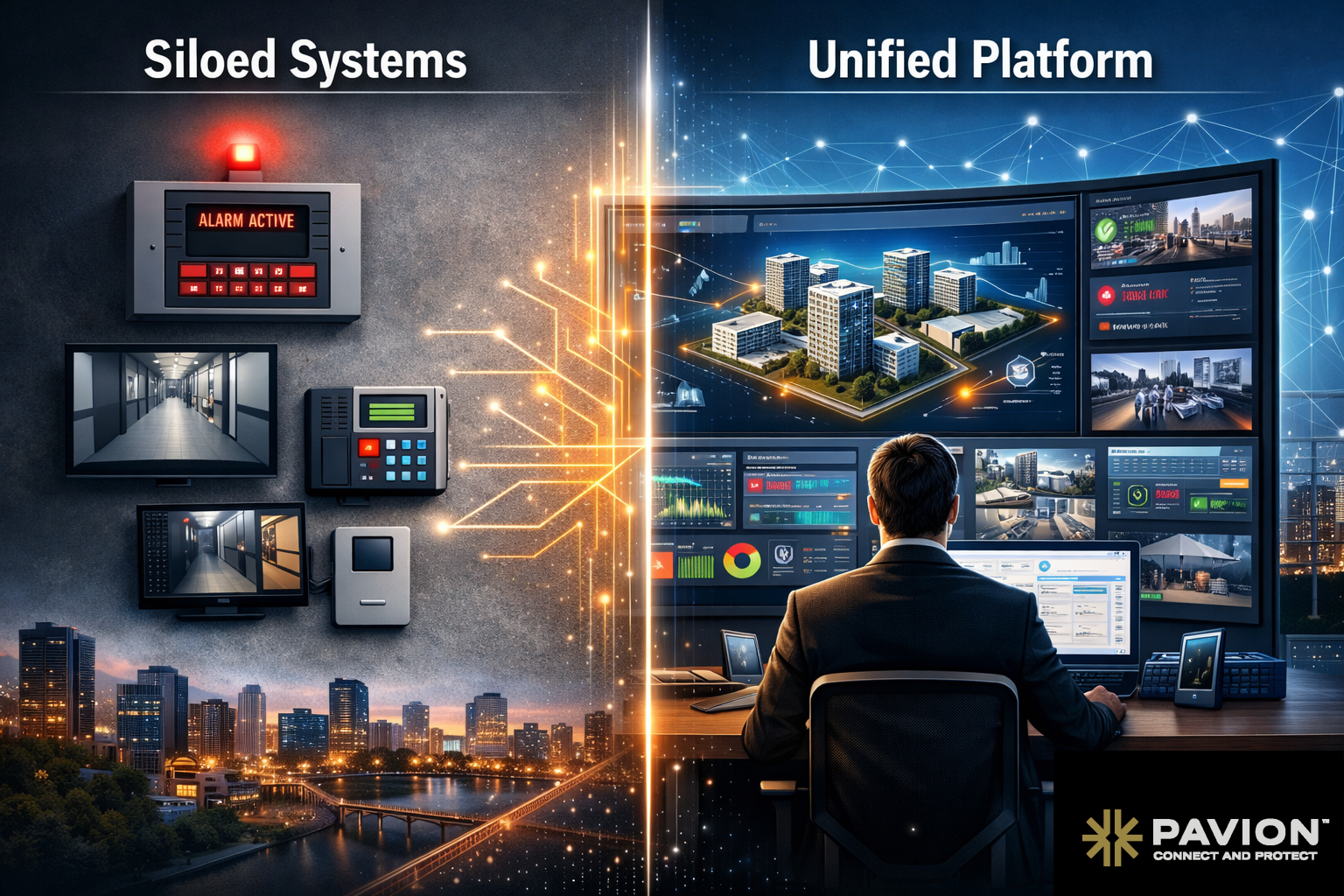
Security technology is most effective when it works together as a unified ecosystem. Disconnected systems create delays. Integrated systems create speed and clarity.
An integrated security approach may include:
Access Control
Instant lockdown capabilities help restrict movement and secure vulnerable areas within seconds.
Video Surveillance
Real-time monitoring provides immediate situational awareness, helping leadership and first responders understand what is happening. “Modern security systems are powered by advanced analytics and smart search technology. Once a person of interest is identified, teams can instantly filter footage by attributes such as clothing color or vehicle type,” says Corey.
Mass Notification and Critical Communications
Clear, immediate alerts delivered through multiple channels ensure staff and occupants receive instructions without delay.
Mobile and Remote Access
Security teams can monitor and manage systems from anywhere, enabling faster decisions during unfolding events.
When these technologies are connected, organizations can respond with confidence rather than confusion. “Mobile and remote access capabilities enable the secure sharing of critical information, allowing multiple teams to coordinate effectively and drive a safe resolution,” adds Corey.
Preparedness Is About Protection, Not Fear
Planning for active threats is not about expecting the worst. It is about protecting people, minimizing risk, and building resilient environments. “Once these systems are implemented, preparedness becomes the priority. You need a clear plan and you need to practice it regularly. That repetition exposes gaps and builds the confidence people need to respond calmly and achieve a better outcome,” says Corey.
Whether in healthcare facilities, schools, corporate campuses, government buildings, or data centers, organizations have a responsibility to create safer spaces for employees, visitors, and communities.
Integrated security solutions provide that foundation.
When Seconds Matter, Systems Must Perform
In an emergency, there is no time to figure out how systems work together. They must already be aligned, tested, and ready.
At Pavion, we design, install, and maintain integrated fire, security, and critical communication systems that help organizations Connect and Protect when seconds matter most.
Preparedness is not a one-time project. It is an ongoing commitment to safety, reliability, and operational excellence.
Frequently Asked Questions
Why are integrated security systems important during active threat incidents?
Integrated security systems allow access control, video surveillance, and mass notification platforms to work together in real time. This coordination enables faster lockdowns, clearer communication, and improved situational awareness when seconds matter.
What is an integrated security system?
An integrated security system connects multiple safety technologies, such as access control, video surveillance, intrusion detection, and critical communications, into one unified platform. This eliminates silos and enables centralized monitoring and response.
How do access control systems improve emergency response?
Access control systems can initiate immediate lockdown procedures, restrict entry to sensitive areas, and provide real-time visibility into who is inside a facility. This reduces exposure and helps security teams act quickly during active threat situations.
What role does mass notification play in crisis management?
Mass notification systems deliver instant alerts through text, email, desktop notifications, overhead paging, and mobile devices. Clear and rapid communication reduces confusion and helps occupants take appropriate action.
How can organizations assess their readiness for active threats?
Organizations should evaluate whether their security systems are integrated, whether emergency protocols are documented and tested, and whether staff are trained to respond. A comprehensive security assessment can identify gaps and improve preparedness.