The Unification of the Security Experience Layer

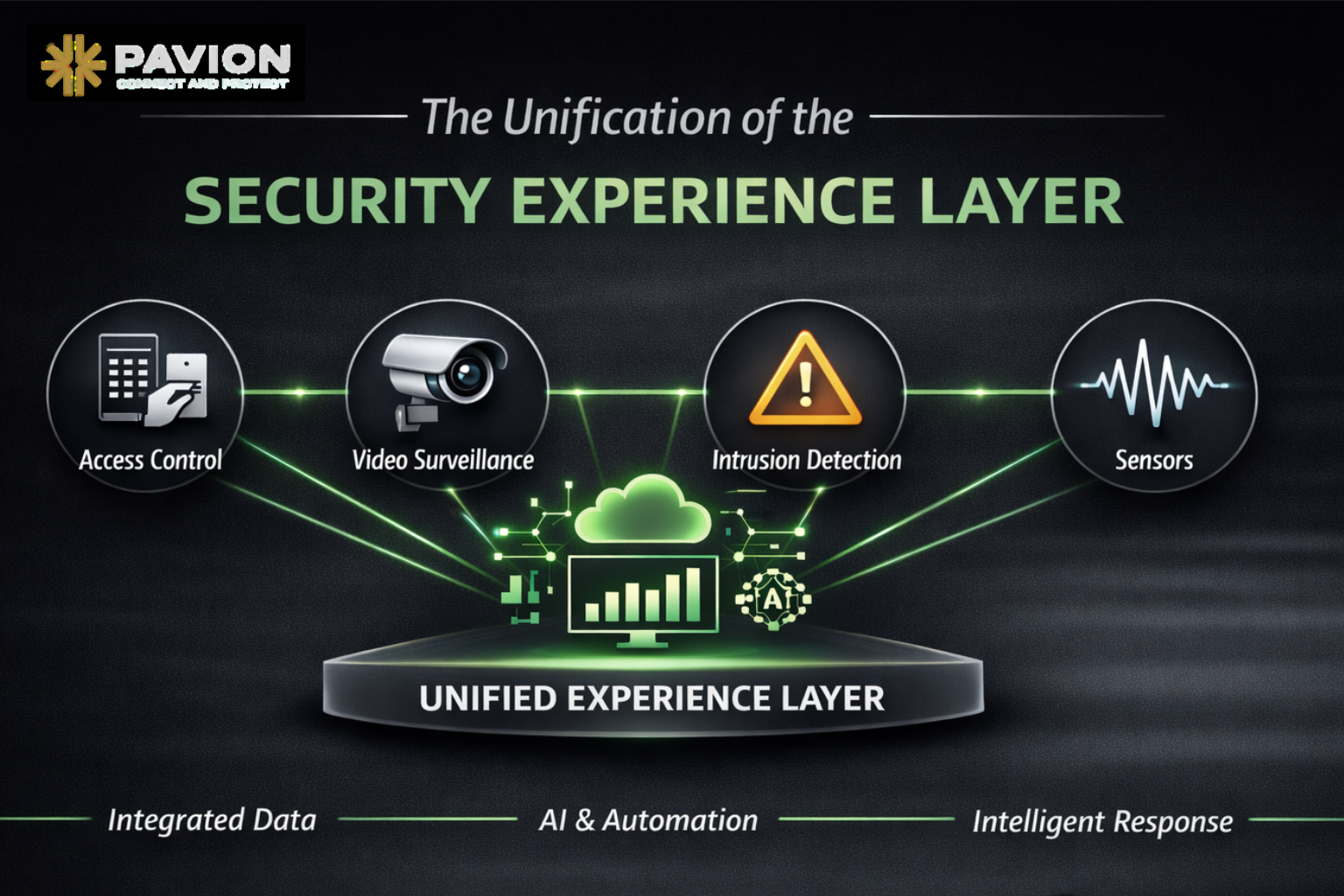
The security industry is undergoing a fundamental shift. As the Security Industry Association (SIA) outlines in its 2026 Megatrends, organizations are moving toward a unified experience layer that de-silos video surveillance, access control, intrusion detection, and sensors into a single architecture or overlay platform. This evolution is not just about integration. It is about transforming how security is managed, experienced, and scaled.
According to Chad Kennedy, Operations Manager of Tech Support and Solutions at Pavion, this shift is already playing out across customer environments in practical, innovative ways.
“We are seeing the lines between systems blur,” Kennedy said. “Video, intrusion, and access control are no longer separate tools. They are becoming intelligence sources that work together inside a unified ecosystem.”
Today, unification is showing up in several impactful ways, including:
- AI analytics turning cameras into intrusion devices. Solutions such as Netwatch use person and loitering detection to identify suspicious behavior before a break-in occurs, then actively deter potential criminals through network or analog speakers with live audio warnings.
- Tight API connections between NVRs and intrusion systems. When an alarm is triggered, live video is immediately pushed to customers or monitoring teams, providing instant visual context.
- Access control automation tied to gunshot detection. Sensors such as Shooter Detection Systems (SDS), and even cameras with built-in sound analytics, can trigger automated door lockdowns to help contain threats.
- Cloud-based platforms that unify multiple systems. Services such as Alarm.com connect video, intrusion, and access control into one environment for simplified configuration, monitoring, and response.
A few years ago, Kennedy recalls, customer conversations were dominated by analytics. The biggest questions were whether systems were ready for them, how expensive the infrastructure would be, and who would manage the hardware required to run them.
“Manufacturers listened,” Kennedy explained. “They moved analytics to the cloud, embedded them into cameras, and exposed them through dashboards and APIs so third-party platforms could leverage that data. That changed everything.”
Now, analytics are no longer the obstacle. They are widely deployed and proven. The new question customers are asking is: How can I see and manage everything from one place?
This shift directly aligns with SIA’s view that unification starts at the data layer. By aggregating video, access logs, and sensor data into a single architecture, organizations can unlock actionable insights, automate responses, and accelerate AI-driven outcomes. The result is not just a “single pane of glass,” but a smarter, more intuitive experience layer that improves operational efficiency and decision making.
“For unification to succeed, it has to work at scale,” Kennedy said. “Customers need to deploy faster, manage easier, and respond more intelligently. That is what unified platforms enable.”
Importantly, this transformation is not limited to large enterprises. Unified experience layers are democratizing advanced capabilities, giving smaller and mid-sized organizations access to tools that were once only feasible for companies with deep resources.
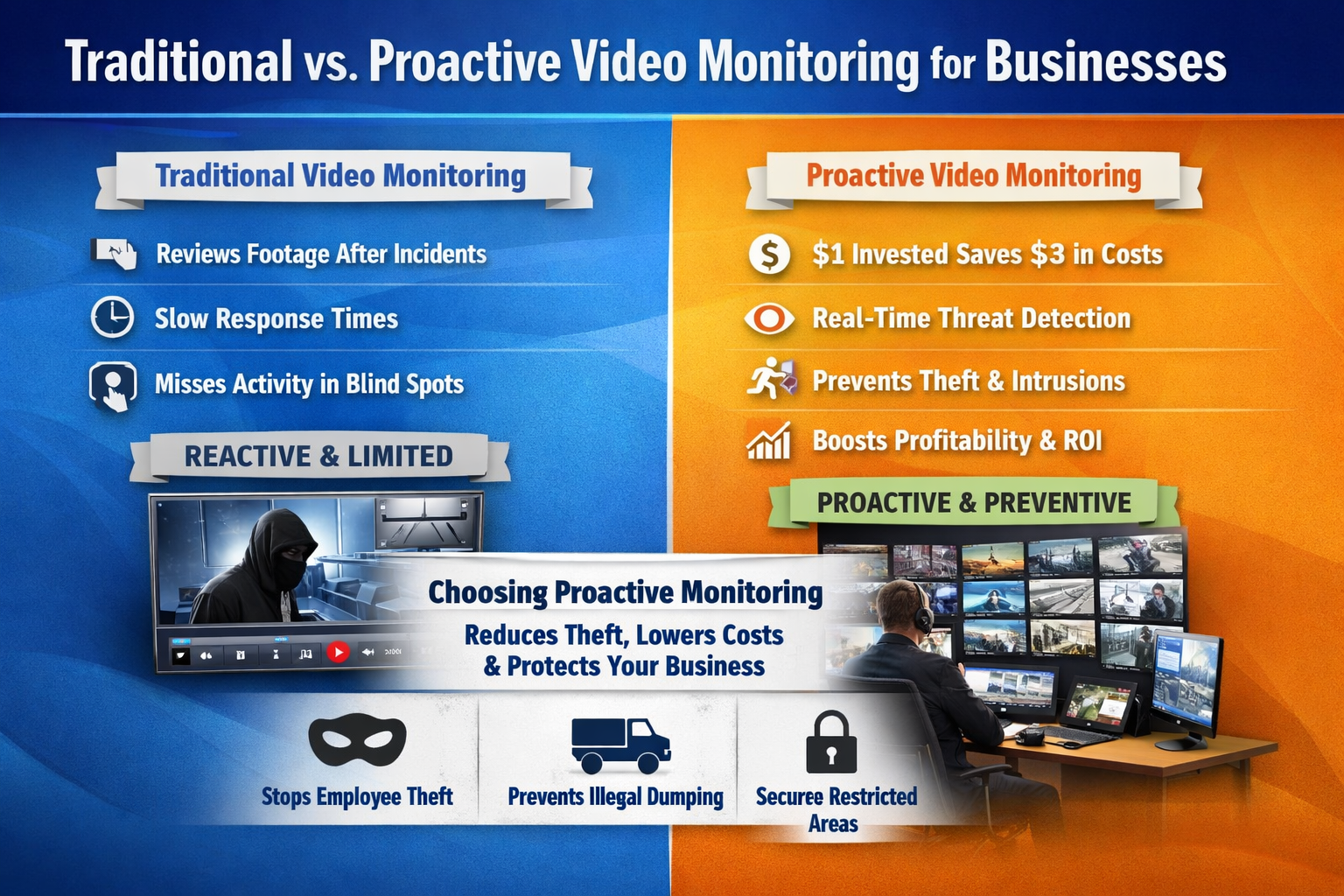
Ultimately, the Unification of the Security Experience Layer is turning security from a reactive function into a proactive, integrated component of business resilience. And as Kennedy sees it, this megatrend is not theoretical.
“It is already happening,” he said. “And it is only accelerating.”
Frequently Asked Questions: The Unification of the Security Experience Layer
What is the Security Experience Layer?
The Security Experience Layer is the unified interface and architecture that connects video surveillance, access control, intrusion detection, and sensor data into a single operational environment. It enables organizations to monitor, analyze, and respond to security events from one cohesive platform rather than multiple disconnected systems.
How is this different from traditional system integration?
Traditional integration connects systems so they can share limited information. A unified experience layer goes further by aggregating data, normalizing it, and presenting it through a single architecture or overlay platform. This allows for automation, advanced analytics, and coordinated responses across systems.
Why is unification becoming a priority now?
Analytics, AI, and cloud-based platforms have matured and are now widely available. With these capabilities in place, organizations are focused on managing them efficiently. Unification enables visibility, scalability, and faster response without increasing complexity.
What types of systems can be unified?
Commonly unified systems include video surveillance, access control, intrusion detection, gunshot detection sensors, environmental sensors, and audio systems. Many platforms also integrate with mass notification, building management, and emergency communications solutions.
Does unification require replacing existing systems?
Not always. Many unified platforms use APIs and software overlays that connect to existing infrastructure. In some cases, upgrades may be recommended to unlock advanced capabilities, but full rip-and-replace is often unnecessary.
How does a unified experience layer improve security operations?
It provides real-time visibility across systems, automates responses to events, reduces manual workflows, and surfaces actionable insights. This leads to faster response times, better decision making, and more proactive threat prevention.
Is a unified experience layer only for large enterprises?
No. Cloud-based and software-driven platforms are making unified security accessible to organizations of all sizes. Smaller organizations can now leverage enterprise-level capabilities without large infrastructure investments.
How does Pavion help organizations implement unified security solutions?
Pavion designs, integrates, and supports unified security architectures that connect video, access control, intrusion, and analytics into cohesive platforms. Our team evaluates existing systems, recommends the right technologies, and delivers scalable solutions aligned to each organization’s operational goals.