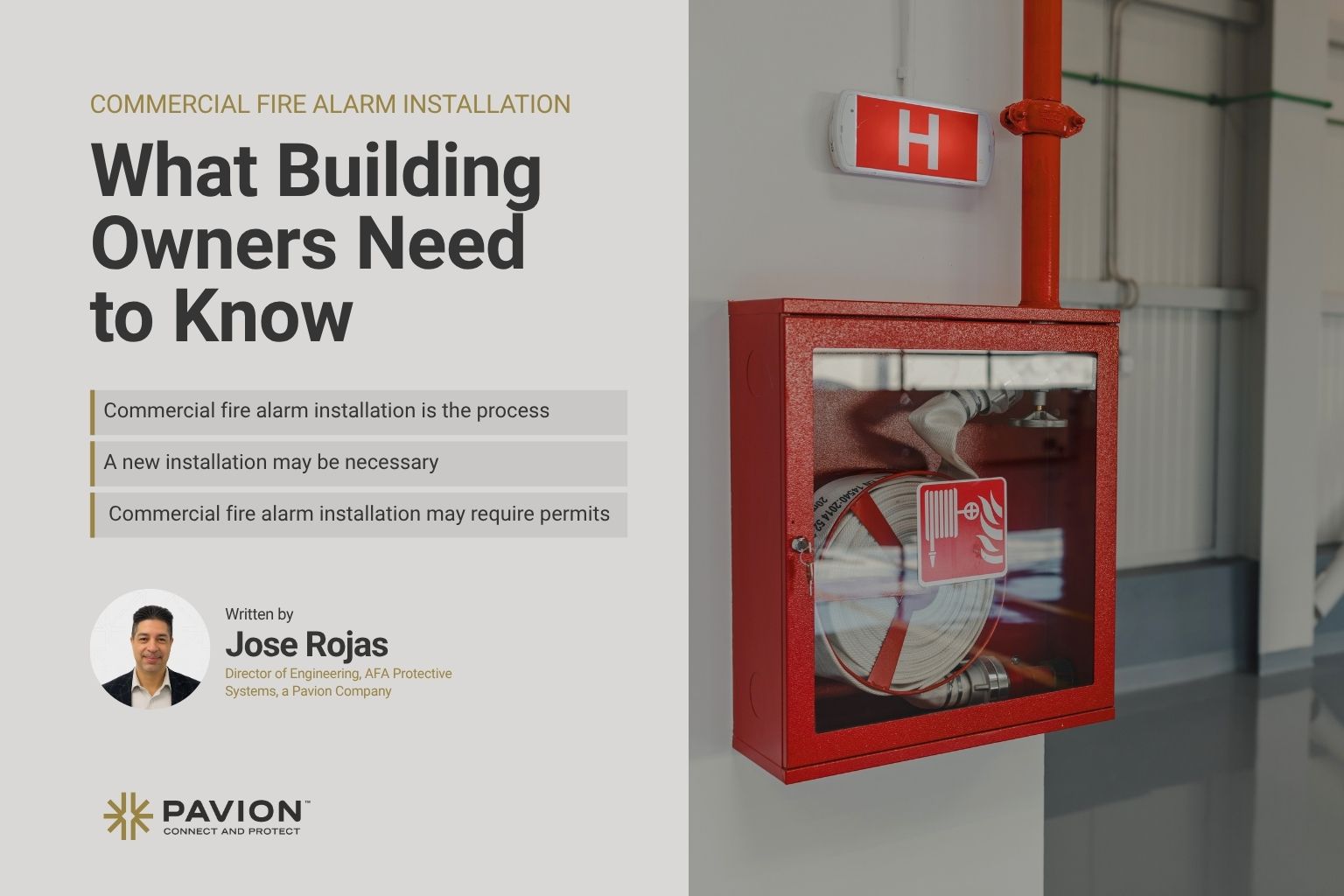
Commercial Fire Alarm Installation: What Building Owners Need to Know

A commercial fire alarm system is one of the most important life safety investments a facility can make. But successful commercial fire alarm installation involves far more than selecting equipment and mounting devices throughout a building.
The effectiveness of a fire alarm system depends on how well it is designed for the facility, how carefully it is installed, how thoroughly it is tested and how well it is supported throughout its lifecycle.
For building owners, facility managers and operations teams, understanding the commercial fire alarm installation process can help reduce delays, avoid costly rework and ensure the system is designed to support both current needs and future growth.
What Is Commercial Fire Alarm Installation?
Commercial fire alarm installation is the process of designing, installing, programming, testing and commissioning a fire alarm system within a commercial facility.
Depending on the building, a commercial fire alarm system may include:
- Fire alarm control panels
- Smoke detectors
- Heat detectors
- Manual pull stations
- Notification appliances
- Horns and strobes
- Annunciator panels
- Emergency communication systems
- Monitoring connections
- Supervisory devices
- Integration with other building systems
The specific system requirements vary based on factors such as building size, occupancy type, facility use, local requirements and the existing infrastructure.
That is why effective commercial fire alarm system installation begins with understanding the facility rather than simply choosing devices.
When Does a Building Need a New Commercial Fire Alarm Installation?
A new installation may be necessary for many reasons.
New construction projects often require a completely new fire alarm system designed as part of the overall building infrastructure. Existing facilities may also require new systems when older technology is no longer reliable, supported or capable of meeting current operational needs.
Common situations that may trigger a commercial fire alarm installation project include:
- New construction
- Building expansions
- Major renovations
- Changes in building occupancy or use
- Aging or obsolete fire alarm equipment
- Frequent system trouble conditions
- Difficulty sourcing replacement components
- Integration requirements with newer building technology
- Expansion into additional areas of a facility
In some cases, a complete replacement may not be necessary. A qualified fire alarm provider can help determine whether an existing system can be expanded, upgraded or retrofitted instead.
The Commercial Fire Alarm Installation Process
Commercial fire alarm installation should follow a structured process that addresses system design, regulatory requirements, installation, testing and ongoing support.
1. Site Assessment and System Design
The first step is understanding the building.
A site assessment can evaluate the facility layout, occupancy, existing fire alarm infrastructure, expansion plans, environmental conditions and other factors that could affect system design.
The goal is to determine what the facility actually needs instead of applying the same solution to every building.
A properly designed system should consider both life safety requirements and practical operational needs, including accessibility, system visibility, serviceability and future expansion.
2. Code Review and AHJ Requirements
Commercial fire alarm systems must be designed and installed in accordance with applicable codes, standards and local requirements.
NFPA 72, the National Fire Alarm and Signaling Code, is an important reference for fire alarm system design, installation, testing and maintenance. However, local building codes, fire codes and requirements established by the Authority Having Jurisdiction, or AHJ, may also affect the project.
Requirements can vary by location.
Understanding applicable requirements early in the project can help reduce redesigns, failed inspections and project delays.
3. Permitting and Documentation
Depending on the jurisdiction and scope of work, commercial fire alarm installation may require permits and formal documentation before installation begins.
Plans may need to include items such as:
- Device locations
- System drawings
- Floor plans
- Wiring diagrams
- Equipment specifications
- Notification appliance layouts
- System calculations
- Sequence of operations
Accurate documentation is important not only for permitting, but also for future testing, service and system modifications.
4. Wiring and Device Installation
Once the design and approvals are in place, installation can begin.
Technicians install the required devices, wiring, control equipment and notification appliances according to the approved system design.
In existing facilities, this portion of the project can require additional planning to minimize disruption to normal operations.
Hospitals, schools, data centers, manufacturing facilities and other critical environments may require phased work, off-hours installation or coordination with multiple stakeholders.
The installation should also account for the long-term accessibility of devices and equipment so future testing and maintenance can be performed efficiently.
5. System Programming and Integration
Modern commercial fire alarm systems are often connected to other building technologies.
Depending on the facility, the fire alarm system may interact with:
- Elevators
- HVAC systems
- Access control
- Mass notification
- Smoke control systems
- Emergency communication systems
- Central station monitoring
Programming and integration help ensure these systems respond appropriately during an alarm or emergency event.
This is one reason commercial fire alarm installation should be viewed as part of a larger building safety strategy rather than as an isolated technology project.
6. Testing and Commissioning
Installation is not complete when the final device is mounted.
The system must be tested to verify that devices, notification appliances, programming and integrations function as intended.
Testing and commissioning may include verifying:
- Detection devices
- Manual initiating devices
- Audible and visual notification
- Control panel functions
- Supervisory signals
- Trouble conditions
- Emergency communication functions
- Building system interfaces
- Monitoring communications
Problems discovered during commissioning can then be corrected before the system is placed into service.
Thorough testing helps confirm that the system operates as designed and provides an important foundation for future inspection and maintenance.
7. Final Documentation and Ongoing Service
After commissioning, building owners should receive accurate system documentation.
This information can become extremely valuable during future inspections, renovations, service calls and system expansions.
A commercial fire alarm system should also have a plan for ongoing inspection, testing, monitoring and maintenance.
The installation is only the beginning of the system’s lifecycle.
What Determines Commercial Fire Alarm Installation Cost?
There is no single price for commercial fire alarm installation because every building presents different requirements.
Several factors can influence project cost.
Building Size and Layout
Larger buildings typically require more devices, more wiring and more labor.
Complex layouts, multiple floors and difficult-to-access spaces can also affect installation requirements.
New Construction vs. Existing Buildings
Installing a system during new construction can be different from retrofitting an occupied facility.
Existing buildings may require additional labor to work around walls, ceilings, active operations and legacy infrastructure.
Number and Type of Devices
The number of detectors, pull stations, notification appliances and control devices directly affects system scope.
Different environments may also require specialized detection technology.
System Complexity
A basic standalone system may be less complex than a system integrated with access control, elevators, HVAC, emergency communications or other building technologies.
Existing Infrastructure
The condition and compatibility of existing wiring, panels and devices can significantly affect the project.
Some equipment may be reusable, while other components may need to be replaced.
Local Requirements
Permitting, inspection and jurisdiction-specific requirements can also influence project scope.
For this reason, commercial fire alarm installation cost should be evaluated based on the complete project rather than equipment price alone.
New Commercial Fire Alarm Installation vs. Retrofit
Not every aging fire alarm system requires a complete replacement.
In some buildings, a retrofit may allow selected components to be upgraded while portions of the existing infrastructure remain in place.
A retrofit may be appropriate when:
- Existing wiring remains usable
- Portions of the system are still supported
- The facility is expanding
- Legacy components need selective replacement
- New capabilities need to be added
A complete replacement may make more sense when the existing system is obsolete, unreliable, difficult to maintain or unable to support the facility’s future requirements.
The decision should be based on system condition, compatibility, risk, operational requirements and long-term cost.
Addressable vs. Conventional Commercial Fire Alarm Systems
One important decision during commercial fire alarm system installation is the type of system being installed.
Conventional systems typically divide a building into zones. When a device is activated, the fire alarm panel identifies the affected zone.
Addressable fire alarm systems provide more detailed information by assigning individual addresses to devices.
This can allow facility teams and emergency personnel to identify the specific device or location associated with an alarm or trouble condition.
Addressable technology may be particularly valuable in larger or more complex facilities where faster identification of system events can improve response and troubleshooting.
The right system depends on the building, application, budget and long-term operational requirements.
Why Code Compliance Matters During Commercial Fire Alarm Installation
Fire alarm systems are life safety systems.
Installation errors can create more than operational inconvenience. They can affect system performance, inspection outcomes and ultimately the safety of building occupants.
Working with an experienced commercial fire alarm installation company can help ensure the system is designed and installed with applicable requirements in mind from the beginning.
Early coordination can also reduce the risk of discovering compliance issues late in the project when corrections can be more disruptive and expensive.
How Long Does Commercial Fire Alarm Installation Take?
Commercial fire alarm installation timelines can vary significantly.
A smaller facility with straightforward requirements may require substantially less time than a large campus, hospital, manufacturing facility or multi-building environment.
Factors that can affect the timeline include:
- Building size
- System complexity
- Permitting
- Equipment availability
- Construction schedules
- Existing infrastructure
- Installation access
- Required integrations
- Testing and inspection schedules
Complex commercial fire alarm projects may also be completed in phases to reduce disruption to building operations.
A detailed project plan established early in the process can help building owners understand major milestones and dependencies.
Why the Lowest Installation Quote May Not Offer the Lowest Long-Term Cost
Installation price is important, but it should not be the only consideration when evaluating a commercial fire alarm provider.
A lower initial cost may become less attractive if the system is difficult to maintain, cannot easily expand or requires multiple vendors to support different parts of the lifecycle.
Building owners should consider long-term factors including:
- Equipment support
- Maintenance requirements
- System scalability
- Availability of replacement components
- Monitoring capabilities
- Inspection and testing support
- Service response
- Future upgrades
A fire alarm system may remain in service for many years.
Decisions made during installation can therefore influence operating costs long after the project is complete.
How to Choose a Commercial Fire Alarm Installation Company
The right installation partner should be able to support more than the installation itself.
Before selecting a provider, consider whether they can support the full lifecycle of the system.
Look for capabilities that include:
- System assessment
- Fire alarm design
- Commercial fire alarm installation
- System programming
- Testing and commissioning
- Monitoring
- Inspection and testing
- Preventive maintenance
- Emergency service
- System upgrades and expansions
Working with a provider capable of supporting the entire system lifecycle can simplify accountability and reduce the need to coordinate multiple vendors.
It also gives the provider deeper familiarity with the system as the facility changes over time.
Commercial Fire Alarm Installation Is a Long-Term Life Safety Decision
Commercial fire alarm installation should not be viewed as a one-time construction task.
The system must continue protecting people and property long after installation is complete.
Building owners and facility managers should consider how the system will be designed, installed, tested, maintained, monitored and eventually upgraded.
Taking a lifecycle approach can help organizations reduce risk, simplify system management and make better long-term technology decisions.
Pavion provides commercial fire alarm installation and lifecycle services designed to support organizations from initial system planning through installation, monitoring, inspection, testing, maintenance and future upgrades.
Whether you are planning a new facility, replacing an aging system or evaluating an existing fire alarm environment, Pavion can help develop a solution designed around your facility and operational requirements.
Talk to Pavion about your commercial fire alarm installation project.
Frequently Asked Questions About Commercial Fire Alarm Installation
How much does commercial fire alarm installation cost?
Commercial fire alarm installation cost depends on factors including building size, device count, system type, existing infrastructure, local requirements, integrations and whether the project involves new construction or an existing facility.
How long does commercial fire alarm installation take?
The timeline varies based on the size and complexity of the facility. Permitting, construction schedules, equipment availability, integrations, testing and inspections can all affect project duration.
What is included in commercial fire alarm system installation?
A commercial fire alarm system installation may include system design, permitting support, equipment installation, wiring, programming, integration, testing, commissioning and system documentation.
Does commercial fire alarm installation require a permit?
Permit requirements vary by jurisdiction and project scope. Local building and fire authorities may require plans, documentation, permits and inspections before a system is approved for operation.
Can an existing commercial fire alarm system be upgraded instead of replaced?
In some cases, yes. Existing wiring or system components may be suitable for reuse or expansion. An assessment can help determine whether a retrofit, phased upgrade or complete replacement is the best option.
What is the difference between addressable and conventional fire alarm systems?
Conventional systems identify alarm activity by zone, while addressable systems can identify individual devices. Addressable systems may provide greater visibility for larger or more complex facilities.
How often should a commercial fire alarm system be inspected?
Inspection and testing requirements depend on the system, applicable codes, local requirements and facility conditions. Building owners should establish an inspection and maintenance program based on the requirements that apply to their facility.