When Seconds Matter in Higher Education

Tragedy on a college campus is deeply unsettling. It disrupts not only daily life, but the sense of safety and trust that institutions work hard to build. Following the recent tragedy at Brown University, many across higher education are pausing to reflect on what preparedness truly looks like and the responsibility institutions carry in moments of crisis.
There are no simple explanations or easy answers in times like these. What remains clear is that campuses must be ready to respond quickly, clearly, and with care when something goes wrong. When seconds matter, preparation matters.
Emergency readiness is often discussed in terms of plans, policies, and systems. While these are critical, their effectiveness is shaped long before an incident occurs. Preparedness is the result of consistent attention, regular review, and coordination across departments that may not always work together day to day.
When Seconds Matter
Emergencies unfold quickly and often without warning. Decisions made in the first moments can shape outcomes, limit harm, and influence how a campus recovers. When seconds matter, preparedness is not theoretical. It is operational.
Readiness shows up in small but critical ways. Whether emergency notifications reach the right people immediately. Whether response teams know exactly who is responsible for what. Whether systems provide clear, real time information instead of fragmented signals. These details are easy to overlook until they are needed most.
Preparedness Is Built Before a Crisis
Effective response begins long before an incident occurs. Emergency plans must be living documents, regularly reviewed and exercised across campus departments. Coordination between campus safety, IT, facilities, administration, and external responders cannot be assumed. It has to be practiced.
Preparedness improves when plans are tested in realistic conditions. These exercises should be practiced at least once per month with all key personnel, as well as volunteers who are not part of the planning process. Involving fresh perspectives helps identify gaps, inefficiencies, or assumptions that may otherwise go unnoticed. When possible, recording practice sessions and reviewing them afterward can reveal opportunities for improvement and reinforce accountability.
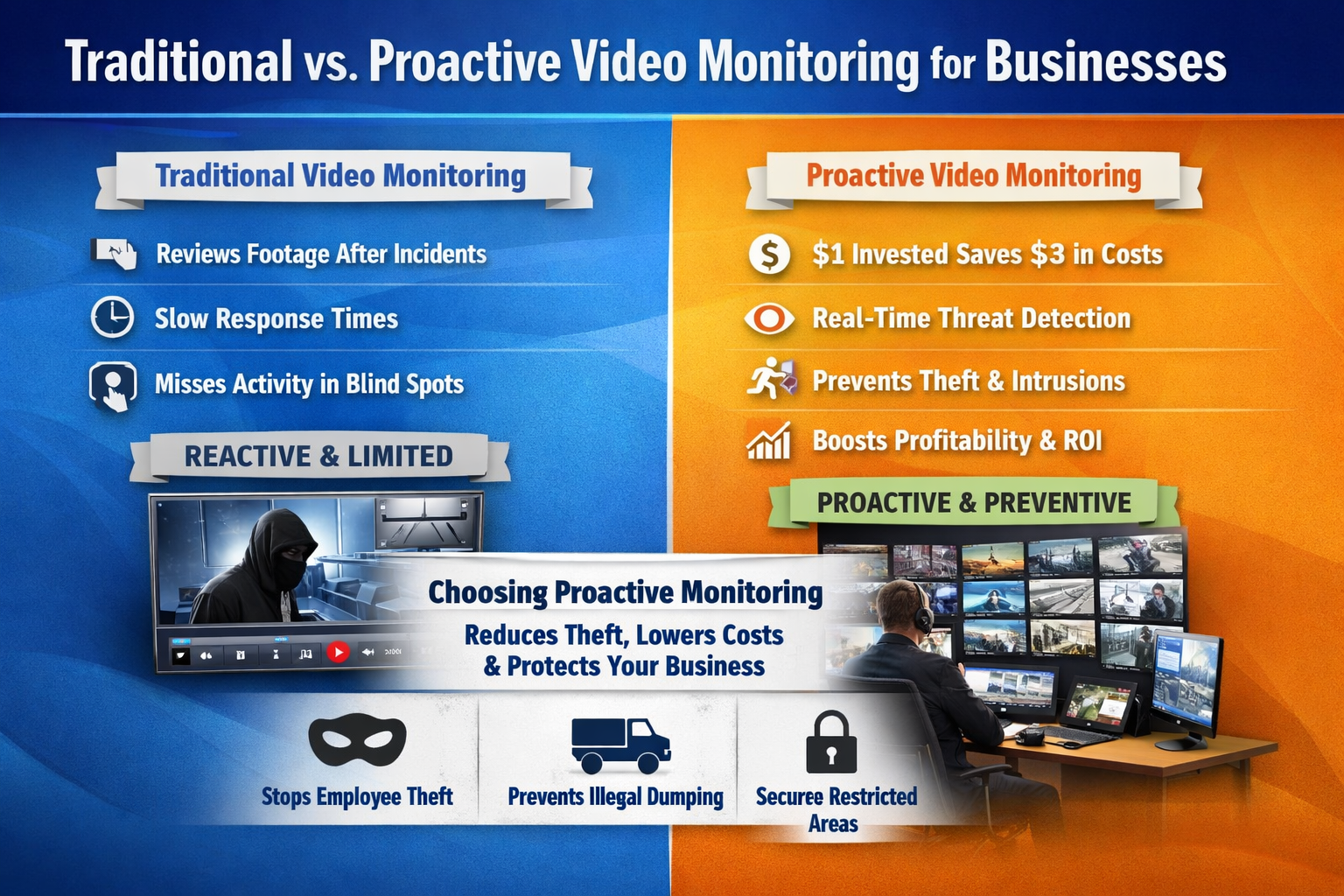
Many campuses are also expanding their approach to situational awareness through emerging technologies. Security drones, for example, are increasingly being used to support large or complex campuses. Equipped with high quality cameras that integrate with video platforms, these drones can patrol predefined geographic areas automatically, return to a charging base, and repeat scheduled routes multiple times per hour. This approach can reduce the need for constant human foot patrols across large areas while improving visibility and response readiness.
When leadership treats preparedness as ongoing work rather than an annual requirement, institutions are better positioned to act decisively under pressure.
Clear Communication Reduces Confusion and Delay
In moments of crisis, uncertainty spreads quickly. Clear communication is one of the most important tools an institution has to protect its community.
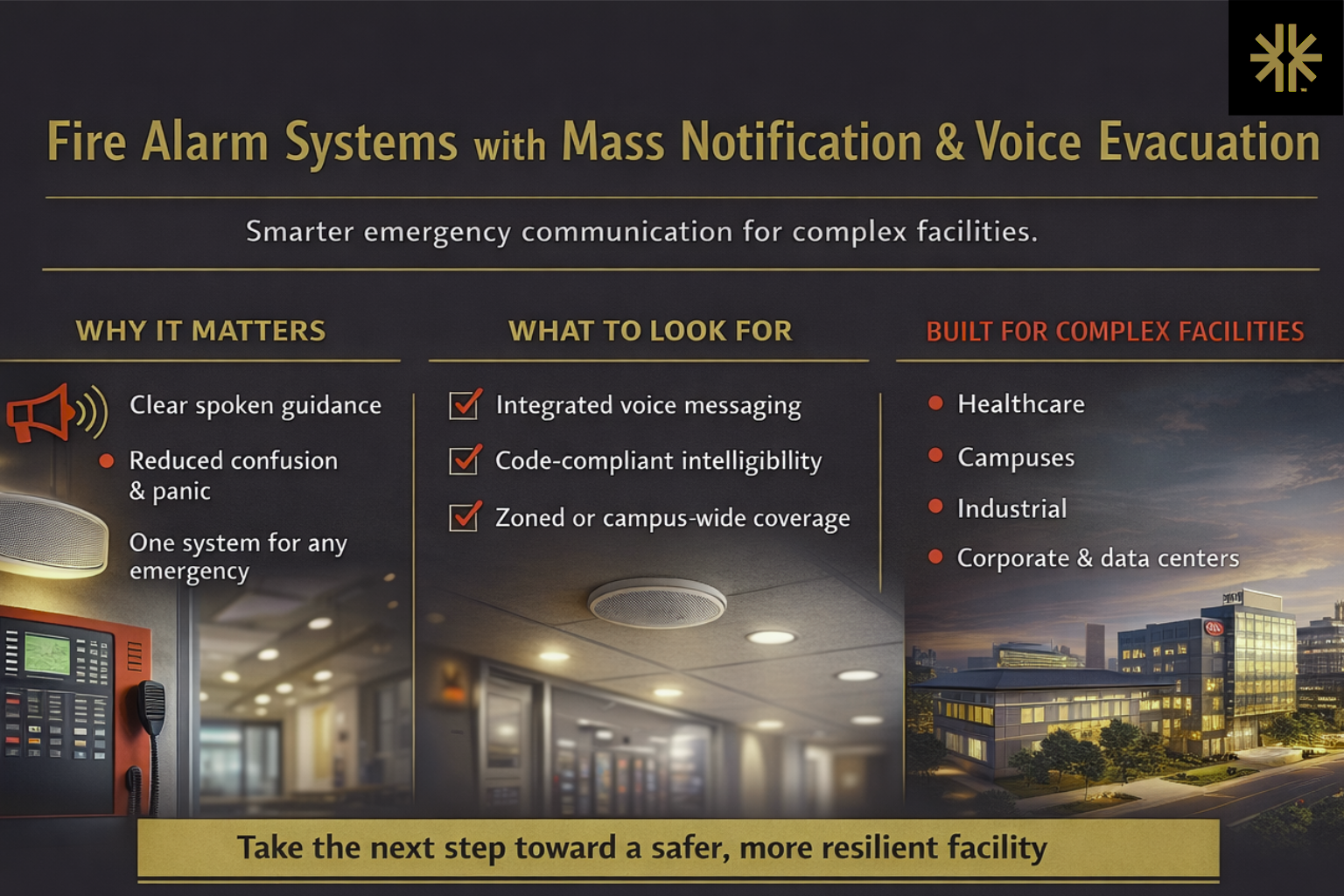
Mass notification systems must be reliable, concise, and trusted. Messages should provide clear direction without overwhelming recipients. Internally, accurate information must flow quickly between teams so decisions can be made without hesitation. When seconds matter, clarity saves time.
Technology Should Enable Awareness, Not Complexity
Safety technology is only effective when it supports fast understanding. Disconnected systems, delayed alerts, or unclear data can slow response when time is limited.
Institutions benefit most when systems are integrated and monitored, providing a shared view of what is happening across campus. The goal is not more alerts, but better awareness that allows responders to act with confidence.
Training Shapes Real World Response
People respond based on what they know and what they have practiced. Regular training helps reduce hesitation and confusion during high stress situations.
Faculty, staff, and students should understand basic emergency procedures and know how to seek help quickly. Response teams should be confident in their roles and decision making authority. When seconds matter, familiarity matters.
A Shared Responsibility
Campus safety is not the responsibility of one department alone. It depends on leadership commitment, cross functional coordination, and a culture that values awareness and action.
Everyone on campus plays a role. If something or someone does not look right, it should be reported immediately to campus security, campus police, or through emergency resources such as blue light call boxes. Early reporting can provide critical time for response and help prevent situations from escalating. When seconds matter, speaking up matters.
In moments of tragedy, institutions are challenged to support their communities while also reflecting on how they can respond better in the future. That reflection is not about blame. It is about responsibility.
Moving Forward
No campus can prevent every crisis. But every campus can choose to be better prepared.
When seconds matter, preparation, clarity, coordination, and shared responsibility can make a meaningful difference for students, staff, and the communities institutions serve.