When Care Providers Can’t Care: The NYC Nurse Strike and What It Means for Healthcare Security
Nearly 15,000 nurses walked off the job at some of New York City’s largest hospitals on January 12, 2026—the biggest nurse strike in the city’s history. The work stoppage affects Mount Sinai Hospital, Mount Sinai Morningside and West, NewYork-Presbyterian, and Montefiore Medical Center, forcing facilities to deploy temporary replacement staff during an already intense flu season.
The issues driving this strike—workplace violence protections, staffing ratios, and healthcare benefits—aren’t unique to New York. They reflect a nationwide crisis that every healthcare administrator is navigating right now.
The Real-Time Impact on Operations
Governor Kathy Hochul declared a disaster emergency for the affected counties, a recognition that hospital staffing disruptions threaten public health infrastructure. Hospitals scrambled to hire over 1,400 temporary nurses, at costs approaching $100 million per week across affected facilities. Some surgeries were postponed. Patient transfers increased. Emergency departments faced surge pressures.
The operational strain is measurable. But the underlying tension—the demand for better violence prevention measures—speaks to something healthcare leaders have been managing quietly for years.
Workplace Violence Isn’t Background Noise Anymore
Healthcare workers account for 73% of all nonfatal workplace injuries from violence, despite representing just 10% of the U.S. workforce. Between 2011 and 2018, workplace violence incidents involving healthcare workers increased substantially. The problem accelerated during COVID-19 and hasn’t returned to pre-pandemic levels.
Recent events at NYC hospitals underscore the urgency. An active shooter incident at Mount Sinai Hospital preceded these contract negotiations. A violent event occurred at NewYork-Presbyterian Brooklyn Methodist Hospital just days before the strike deadline. These aren’t isolated occurrences—they’re indicators of a pattern that’s disrupting care delivery and driving workforce attrition.
More than 26% of healthcare workers have considered leaving their roles due to workplace violence. When nurses cite inadequate protections as a strike rationale, they’re connecting personal safety directly to their ability to deliver patient care.
What This Means for Healthcare Administration
The strike brings three operational realities into focus for healthcare leaders nationwide:
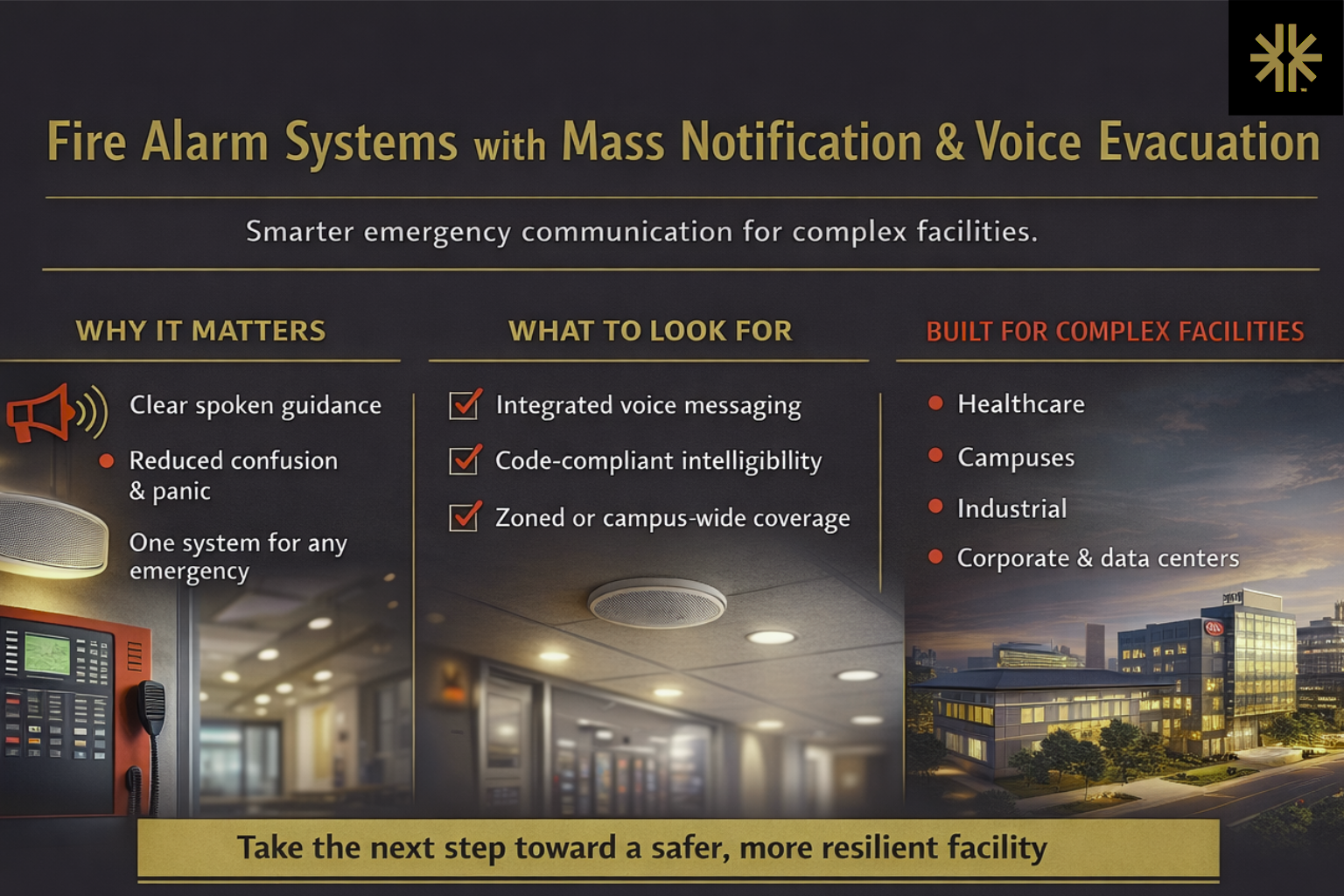
Security infrastructure isn’t auxiliary anymore. Facilities that treated security as compliance overhead are reassessing. Access control, video surveillance, mass notification systems, and emergency response protocols are now integral to workforce retention and operational continuity.
Staffing and safety are linked. Understaffed environments increase risk. Longer wait times, higher patient-to-staff ratios, and strained resources correlate with more frequent violent incidents. Technology can’t replace adequate staffing, but it can multiply the effectiveness of the staff you have—enabling faster response, better situational awareness, and coordinated interventions.
System integration prevents escalation. When nurse call systems, access control, video surveillance, and emergency notification platforms operate in silos, response time suffers. Integrated systems allow a behavioral health rapid response team to be dispatched the moment a duress alert is triggered, or enable automatic lockdown procedures when an active threat is detected—before incidents compound.
Building Environments That Support Both Patients and Providers
The conversation around this strike centers on contracts and compensation. But the underlying ask—protection from violence—is about creating environments where healthcare workers can focus on caregiving rather than self-defense.
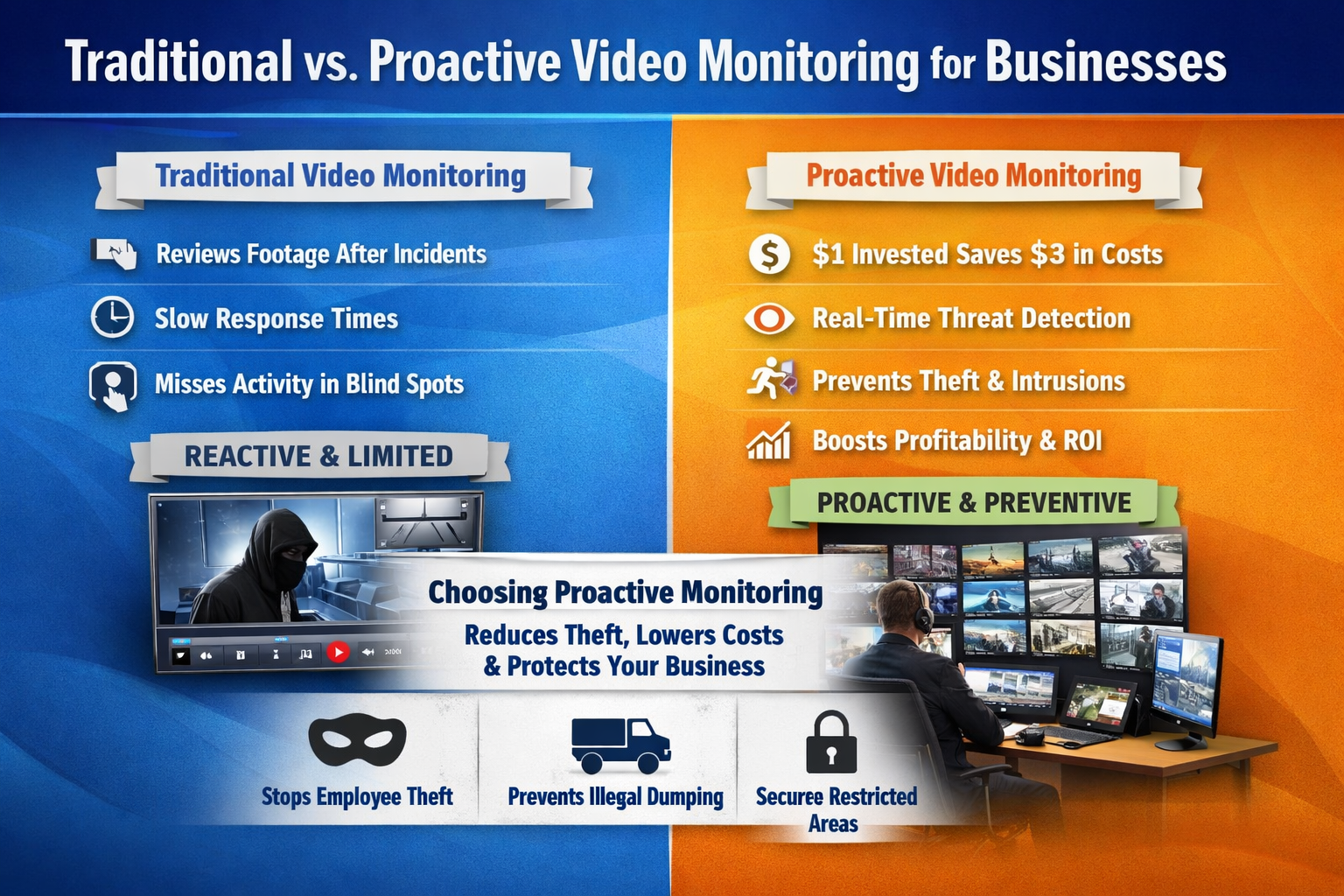
This requires thinking beyond single-point solutions. A panic button helps if someone can respond quickly. Video surveillance matters if it’s monitored and integrated with intervention protocols. Access control works when it’s part of a comprehensive approach that includes behavioral health resources, de-escalation training, and technology that enables coordinated response.
Healthcare administrators evaluating their current security posture should consider:
- Response time from alert to intervention. How long does it take security or clinical teams to reach a staff member who signals distress? Seconds matter when violence escalates.
- Visibility across systems. Can your security operations center see real-time data from access control, video, and communication platforms in one interface? Or are teams toggling between disconnected systems during critical events?
- Scalability for multi-site operations. If you’re managing multiple facilities, are your security standards and response protocols consistent across locations? Or does each site operate with different tools and procedures?
These aren’t hypothetical questions. They’re the foundation of operational resilience during workforce challenges—whether that’s a strike, a surge event, or ongoing retention pressures.
What Happens Next
As of this writing, negotiations continue between hospital management and the New York State Nurses Association. Safety-net hospitals have reached agreements that include violence protections, while larger private systems remain at impasse over economic and safety proposals.
Regardless of how these specific negotiations resolve, the broader trend is clear: Healthcare workers are demanding environments where they can deliver care without fearing for their personal safety. Facilities that proactively address these concerns—through technology, policy, and operational investment—position themselves to retain staff, maintain quality of care, and navigate future disruptions more effectively.
The NYC nurse strike is about more than one city or one set of contract terms. It’s a signal that security infrastructure, staffing models, and violence prevention are now central to healthcare operations—not peripheral concerns to be addressed when budgets allow.