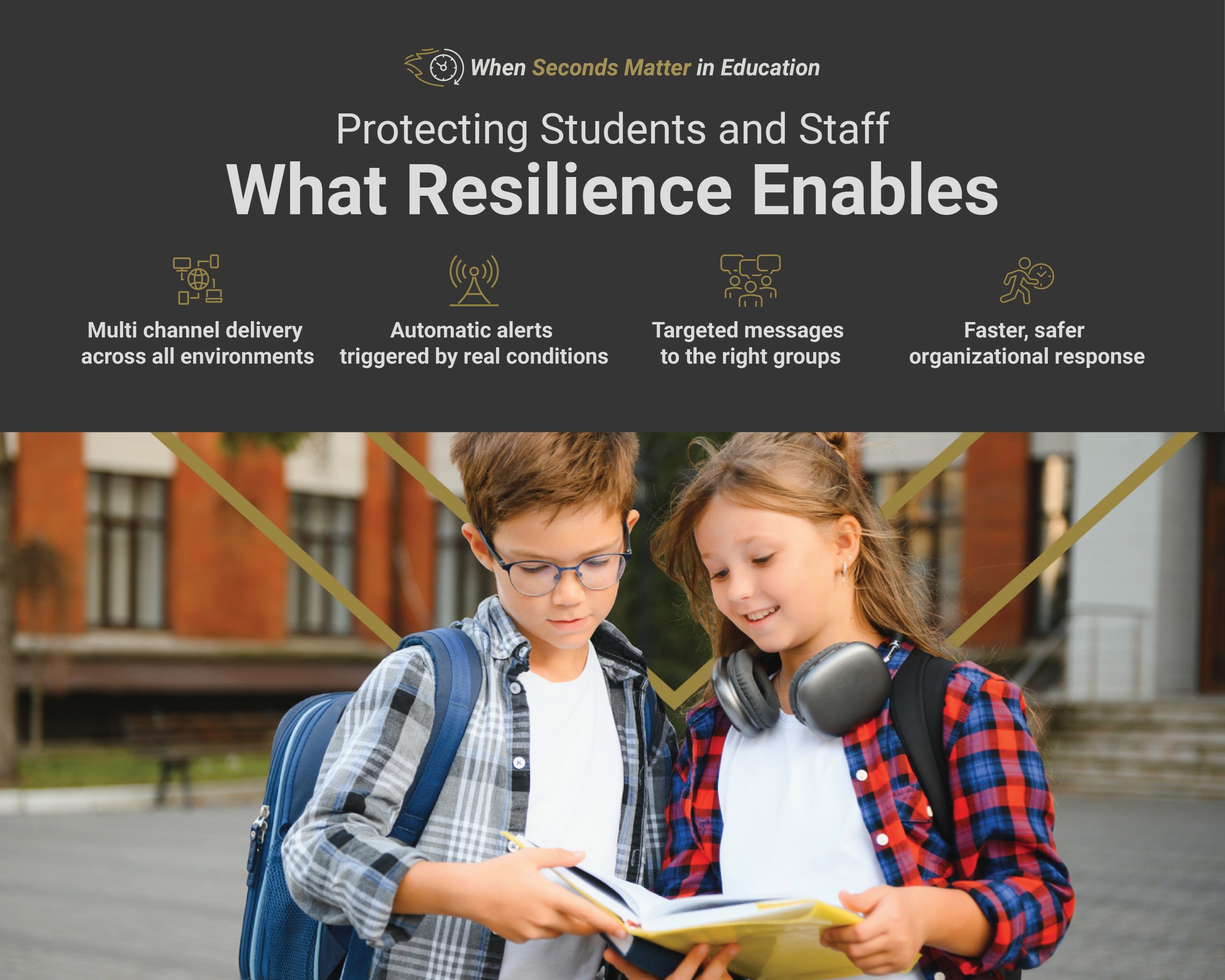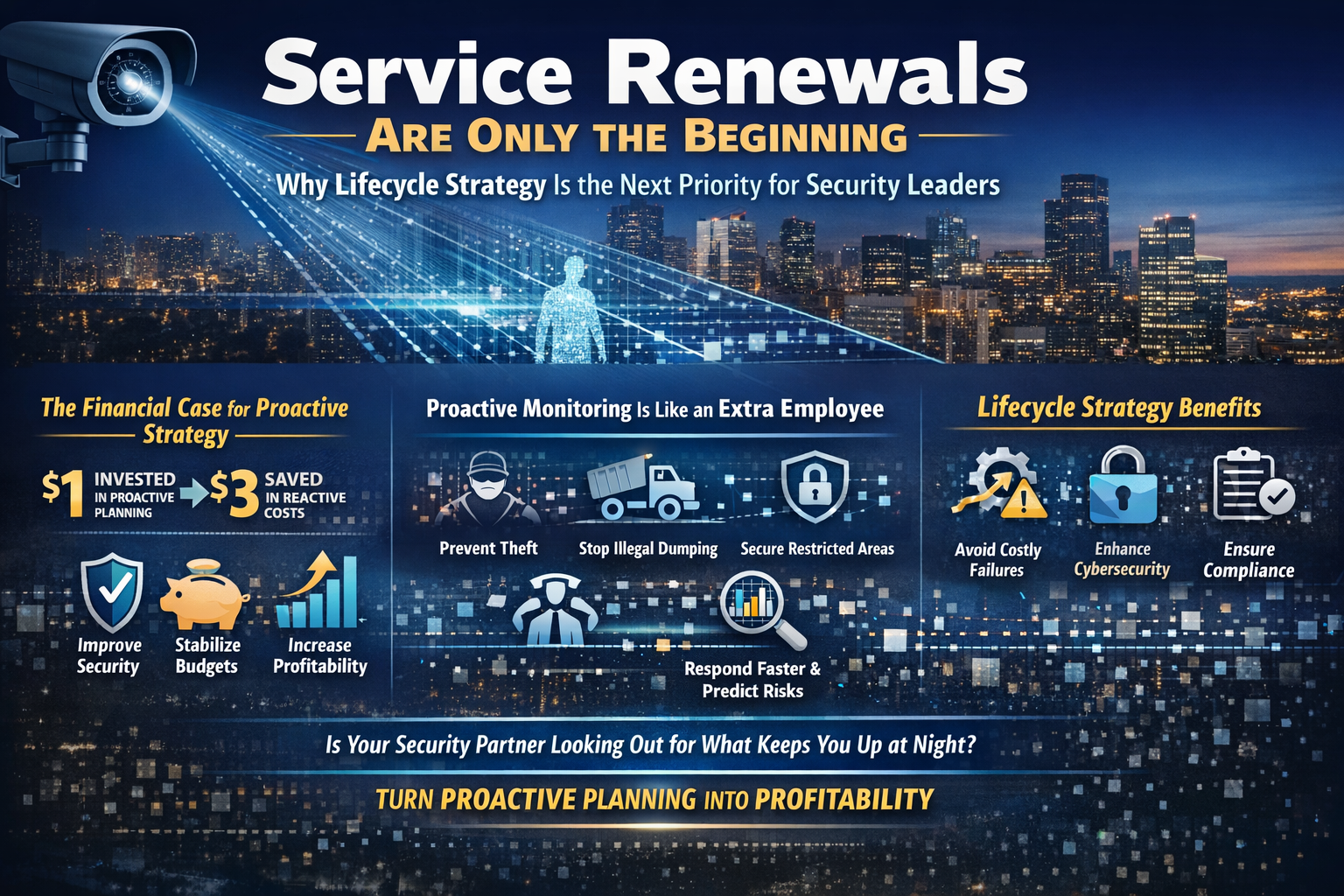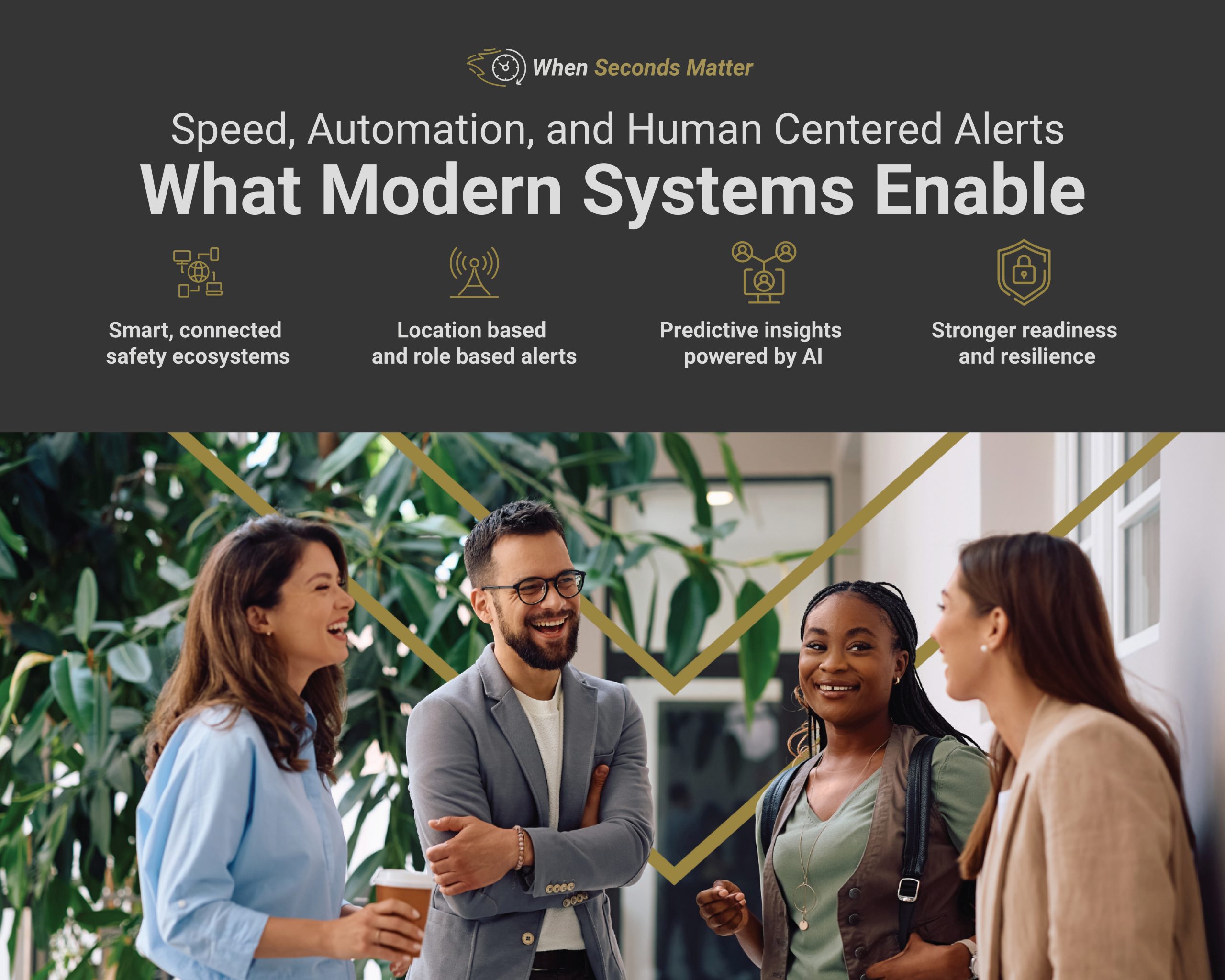
The Future of Crisis Communication: Speed, Automation, and Human Centered Alerts

Crisis communication is entering a new era. As threats evolve, technology advances, and expectations change, organizations can no longer rely on slow or limited communication methods. Emergencies unfold faster than ever, and people expect clear guidance within seconds. A new generation of crisis communication is emerging, built on speed, automation, and human centered design.
The future belongs to communication systems that are smarter, more intuitive, and more aligned with how people actually behave during emergencies. This shift represents one of the most important evolutions in safety, resilience, and operational continuity.
Speed Is No Longer a Goal It Is a Requirement
In a world where emergencies escalate quickly, delayed communication creates risk. Whether the threat involves a safety incident, a fire, a severe weather event, a cybersecurity breach, or a facility failure, response begins with information. The faster people receive clear directions, the faster they can act.
Modern crisis communication systems must:
• Deliver alerts in under one second
• Reach multiple channels simultaneously
• Auto trigger based on event detection
• Route messages even when networks are strained
The expectation is simple: no delays, no bottlenecks, no confusion.
Speed allows organizations to get ahead of chaos. It shortens response times and reduces the window of vulnerability. When seconds matter, time is the most valuable asset.
Speed Requires Strategy Not Just Technology
Speed is essential in modern crisis communication, but speed alone does not guarantee safety. Rapid alerts lose their value when systems are poorly designed, workflows are inefficient, or emergency procedures are unclear.
Organizations cannot replace thoughtful planning with automation or assume technology alone will deliver effective outcomes. The true measure of speed is not how quickly a message is sent, but how efficiently people are able to act on it.
This is why working with a knowledgeable security partner is critical. A properly designed system should:
• Align technology with real operational workflows
• Eliminate inefficiencies that slow response
• Support clearly defined emergency plans
• Integrate automation without removing human oversight
• Include regular training and practice scenarios
Automation enables quick action, but preparation determines safe outcomes. Emergency communication plans must be practiced and refined so that when a real event occurs, responses feel familiar, coordinated, and efficient rather than reactive or uncertain.
The safest results come from combining technology, planning, and repetition not speed alone.
Automation Eliminates Human Delay and Error
Automation is transforming crisis communication. Traditional methods rely heavily on manual actions. Someone has to decide, log in, click, record, or activate. During emergencies, this slows response and introduces opportunities for error.
The future uses automation as a primary force multiplier.
Examples of automated crisis communication include:
• Fire alarms auto sending building wide alerts
• Access control breaches triggering instant lockdown messages
• Security systems sending alerts as soon as a threat is detected
• Severe weather warnings automatically initiating shelter in place notifications
• Environmental sensors (gas, temperature, water, CO) activating targeted alerts
• IT outages triggering internal continuity messages
Automation ensures consistency. It removes guesswork. It allows organizations to respond at the speed of the threat, not the speed of human reaction.
Human Centered Design Improves Reaction and Behavior
While technology is advancing, people remain the center of every emergency. Crisis communication must be designed around human behavior, not engineering complexity.
During emergencies:
• Stress reduces comprehension
• People default to simple instructions
• Too much information slows response
• Ambiguous direction creates hesitation
• Individuals look to others for cues
Human centered communication meets people where they are.
This includes:
Short, actionable instructions
Examples:
“Evacuate now.”
“Shelter in place.”
“Lockdown. Stay where you are.”
Plain language over technical jargon
No codes or complexity. Just clarity.
Messages tailored to emotional response
Calm tone, purposeful structure, steady cadence.
Multi sensory alerts
Audio, visual, mobile, and digital signage increase comprehension for people under stress.
Inclusive communication
Accessible alerts for people with hearing, vision, or cognitive challenges.
Communication that aligns with human behavior saves lives.
Visitor and Guest Safety Cannot Be Overlooked
Emergency communication strategies often focus on employees and building occupants who understand the environment. But visitors, vendors, and guests introduce a unique challenge. They may receive instructions without knowing how to follow them.
For example, an alert that says “Exit east wing only” assumes people know where the east wing is. For someone unfamiliar with the building, that direction can create hesitation at the exact moment speed matters most.
Visitor management systems are becoming an important part of modern crisis communication ecosystems. These platforms can:
• Provide digital maps during check in
• Send location aware evacuation routes
• Deliver alerts directly to visitors’ devices
• Guide guests toward the safest exits in real time
• Improve accountability during evacuations
By extending communication beyond employees and accounting for all occupants, organizations create safer environments and reduce confusion during high stress situations.
Multi Channel Communication Is Becoming the Standard
Relying on a single communication method is no longer acceptable. If a PA system fails, if text messages are delayed, or if email is inaccessible, the entire response cannot collapse.
The future requires multi channel redundancy.
This includes:
• PA and voice systems
• Text messages
• Mobile app alerts
• Desktop pop ups
• Digital signage
• LED boards
• Outdoor speakers
• Strobe lights
• Email notifications
• Radio or two way communication
• Integrated building systems
The message must reach people no matter where they are: indoors, outdoors, in a stairwell, in a classroom, in an office, or off site.
Multi channel communication ensures the message gets through.
AI and Predictive Insights Are the Next Frontier
Artificial intelligence is emerging as a powerful tool in crisis communication. While it will not replace decision makers, it will support faster, more informed choices.
AI can:
• Analyze sensor patterns to identify emerging risks
• Predict environmental hazards before they escalate
• Recommend escalation paths based on severity
• Identify the optimal audience for targeted alerts
• Assist in drafting message templates
• Detect communication failures and reroute alerts
• Identify crowd movement patterns during evacuation
AI strengthens situational awareness and supports leaders with real time intelligence.
Integration Creates Unified Safety Ecosystems
Crisis communication does not operate in isolation. The future is fully integrated, connecting:
• Fire systems
• Security systems
• Access control
• IT networks
• Building automation
• Sensors and monitoring
• Visitor management
• Facility operations
• Environmental controls
• IoT devices
Integration creates a connected ecosystem where:
• One event triggers multiple protective actions
• Data flows between platforms instantly
• Communications adapt based on real conditions
• Organizations manage incidents holistically
Smart buildings require smart communication.
Personalized and Location Based Alerts Increase Safety
Blanket alerts are useful but not always precise. The future of risk communication is targeted, ensuring the right people receive the right instructions based on where they are and what their role is.
Examples:
• “Evacuate the east wing only.”
• “Security to loading dock entrance.”
• “Shelter on floors 5 through 7.”
• “Operations staff only: power outage affecting data center cooling.”
This precision reduces panic, improves clarity, and increases response efficiency.
Crisis Communication Extends Beyond the Event
After the emergency ends, communication continues. The future includes:
• Recovery instructions
• Return to work notifications
• Reunification messages
• Transportation updates
• Mental health and support messaging
• Operational continuity guidance
• Facility repair or closure announcements
Recovery is part of resilience. And communication is part of recovery.
Conclusion: The Future Is Faster, Smarter, and More Human
Crisis communication is evolving into a proactive, predictive, and human centered system. Organizations that invest now will be better prepared to protect people, minimize chaos, and reduce long term impact.
The future belongs to systems that deliver:
• Speed
• Automation
• Consistency
• Integration
• Human centered design
When seconds matter, these elements make the difference between confusion and clarity, disruption and stability, and danger and safety.