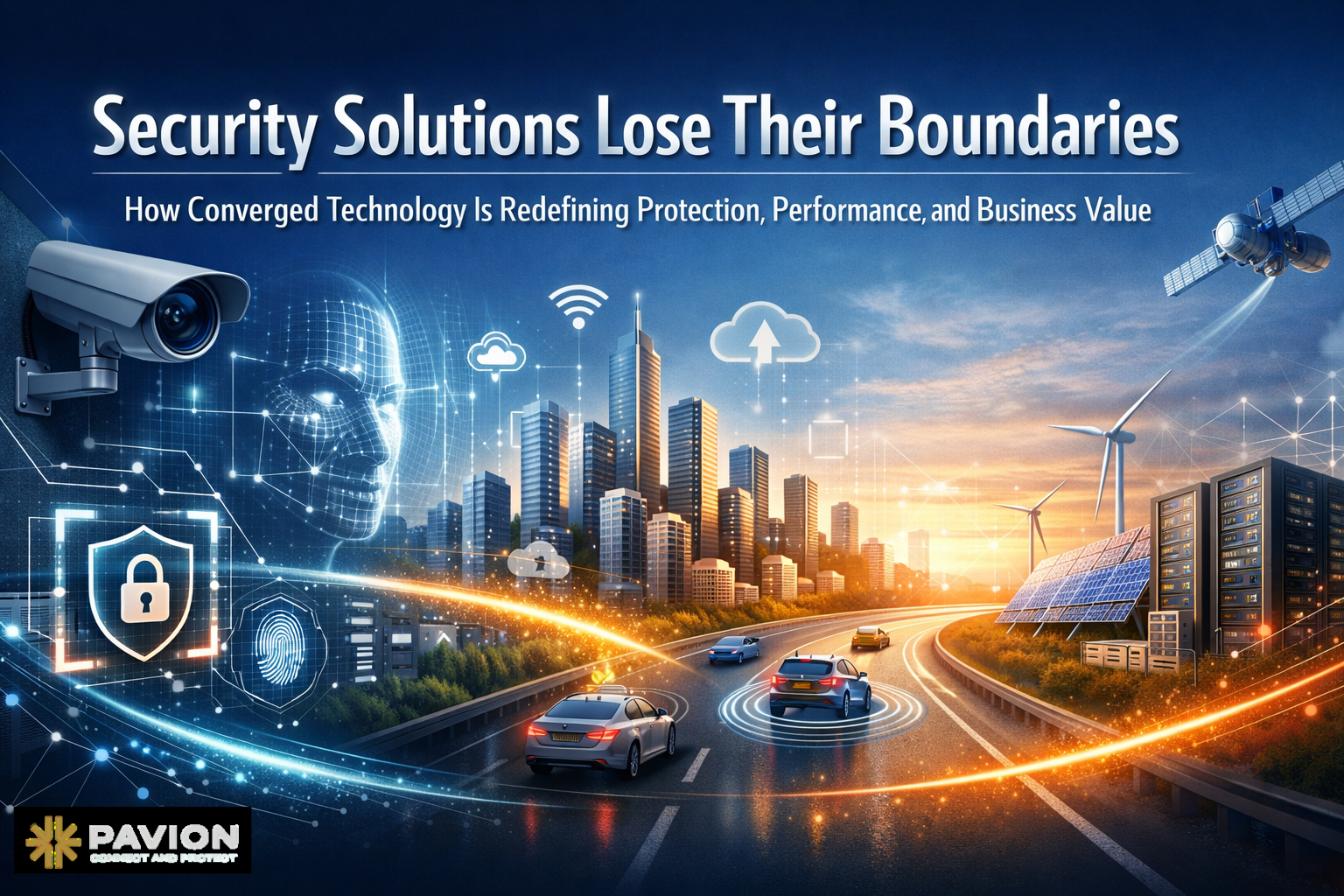
Security Solutions Lose Their Boundaries

Security is no longer limited to physical protection. According to the Security Industry Association’s latest megatrend, security solutions are expanding into a connected ecosystem that integrates building systems, IT infrastructure, and operational technologies.
This shift reflects a move away from standalone video surveillance toward intelligent, enterprise wide platforms that deliver both security and operational value. Organizations now expect their security systems to support situational awareness, predictive maintenance, mass communication, and business efficiency.
As the boundaries between physical security, cyber systems, and building technologies continue to dissolve, security is becoming a strategic driver of resilience, sustainability, and performance.
AI Enhances Software Instead of Replacing It
Artificial intelligence is transforming how security systems operate, but it is not replacing traditional software platforms. Instead, AI works alongside software to enhance capabilities and improve safety.
Modern security systems no longer just record events. AI and analytics now analyze behavior, detect anomalies, send proactive alerts, and even help predict potential incidents. Cameras can interpret activity, not just capture images.
This combination of AI and software allows organizations to respond faster, reduce risk, and gain deeper insights while still relying on human expertise for decision making.
Multi Use Technology Creates Enterprise Value
Today’s buyers want more than basic protection. They expect security systems to deliver value across the entire organization.
Integrated security platforms can support:
Predictive maintenance
Operational efficiency
Energy management
Emergency communication
Situational awareness
Sustainability goals
For example, environmental sensors can detect temperature or humidity changes while cameras visually validate alerts. In large campuses, access control, lighting, AV, and public address systems can work together to guide occupants and improve emergency response.
Security technology is now a multi purpose business tool, not just a safety measure.
Integration Strengthens Organizational Resilience
Security convergence has been developing for years, but its importance continues to grow. When security systems integrate with building infrastructure and IT networks, organizations gain stronger protection against faults, failures, and operational disruptions.
Network visibility is now a key component of modern security. Monitoring system health, connectivity, and performance helps identify vulnerabilities before they cause damage. Integrated platforms reduce downtime, improve diagnostics, and protect both people and property.
Technology Still Needs the Human Element
Automation and AI can support security teams, but they do not replace human expertise.
Technology can analyze data and automate responses, but experience, judgment, and local knowledge remain critical in real world situations. Emergency response, crowd control, and crisis communication require human interpretation and leadership.
The most effective security programs combine advanced technology with trained professionals.
One Platform Improves Usability and Effectiveness
As systems become more cloud based and software driven, organizations expect a simpler user experience.
One login
One interface
One connected ecosystem
When security systems are easier to use, they are used more consistently and effectively. Unified platforms reduce complexity, improve response times, and increase user confidence. When systems work together, organizations gain better data, stronger insights, and improved outcomes.
Security Is an Investment Not an Expense
Security is no longer just a cost of doing business. It is an investment in continuity, safety, and operational success.
Modern security platforms generate insights that support departments such as facilities, HR, leadership, and operations. Proactive security strategies also reduce long term costs. Studies show that investing in prevention saves significantly more than reacting to incidents after they occur.
Security protects both people and profitability.
Education Enables Long Term Success
Technology evolves quickly, and organizations need guidance to keep up.
Security partners play an important role in helping customers plan for future upgrades, understand new capabilities, and budget strategically. When organizations view security as an evolving platform rather than a one time purchase, they gain more value and better performance.
Education builds confidence and long term success.
The Boundaries of Security Are Disappearing
The Security Industry Association’s megatrend makes one thing clear. Security solutions are no longer isolated systems. They are part of a connected ecosystem that supports safety, efficiency, and resilience across the enterprise.
Security now extends across physical, digital, and operational environments. As these systems converge, organizations gain unified control, stronger protection, and greater business intelligence.
The future of security is integrated, intelligent, and boundary free.
Frequently Asked Questions
What does “Security Solutions Lose Their Boundaries” mean
It refers to the convergence of security, IT, and building systems into unified platforms that support both protection and operational efficiency.
How is AI used in modern security systems
AI helps analyze behavior, detect anomalies, send alerts, and predict potential risks. It enhances software rather than replacing it.
Why is integration important for security
Integrated systems improve resilience, reduce downtime, enhance diagnostics, and provide stronger protection across physical and digital environments.
Are human security professionals still needed
Yes. Technology supports security teams, but human experience and judgment remain essential for effective response and decision making.
How does security create business value
Security platforms now support operational efficiency, sustainability, risk reduction, and cross departmental insights.
Is security an expense or an investment
Security is an investment in safety, continuity, and long term business success.
Why is user experience important in security platforms
Simplified systems increase adoption, improve response times, and make security more effective.