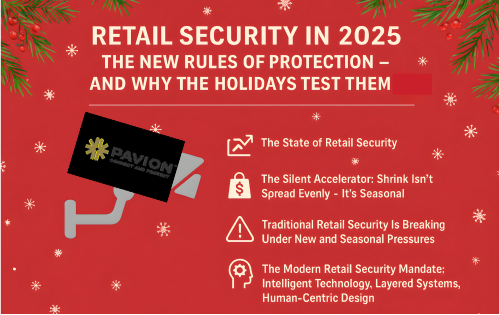
Retail Security in 2025: From Reactive to Proactive — Why the Holidays Amplify the Stakes

The retail world is undergoing a quiet but seismic shift. With rising incidents of theft, organized crime, and increasing threats to both inventory and people, the traditional security playbook is no longer sufficient. 2025 is becoming the year that retail security must evolve from reactive loss-prevention to a comprehensive, technology-infused, and people-first strategy.
The Holiday Effect: Why Risks Spike Seasonally
The holiday shopping season — roughly from late November (Black Friday) through December — exacerbates many of the risk factors that make retail vulnerable to theft, shrinkage, and violence. Several dynamics combine to drive this seasonal surge:
- Surging foot-traffic and chaos — Stores become crowded with eager shoppers. This volume makes it harder for staff to watch every aisle, creating cover for shoplifters or organized retail crime (ORC) actors. The Guard Alliance Inc+2LVT+2
- Inventory abundance and high-value displays — Retailers stock up and showcase popular, high-value items (electronics, apparel, gift sets) to meet holiday demand. These displays create attractive targets for thieves — both opportunistic and professional. LVT+2FTx Identity+2
- Staff overload and seasonal workers — Long hours, understaffing, or reliance on temporary/seasonal employees can decrease vigilance and situational awareness, increasing vulnerability. Pelco+2RTF Global+2
- Cover of crowds and distractions — The bustle, distractions, and general hurry of holiday shopping make it easier to conceal theft or suspicious behavior. Bulky winter or layered clothing (in some regions) can assist concealment, though this is less relevant in warmer climates. The OSA Telegraph+2The Guard Alliance Inc+2
- Higher demand for stolen goods — During the holidays, illicit demand for discounted or stolen goods tends to rise, which can encourage more theft — especially from organized rings that resell stolen items. Sekura Global+1
According to some industry analysts, as much as 37% of a retailer’s annual inventory loss (Shink / theft / fraud) can happen during the holiday period. LVT+1
Moreover, recent research from Loss Prevention Research Council (LPRC) at University of Florida warns that as holiday shopping season nears, theft — including organized retail crime, self-checkout fraud, and external theft — becomes more sophisticated. Criminals are increasingly using technology, social media coordination, and store-scouting to identify vulnerable targets. University of Florida News
Why Traditional Security Is Even Less Enough During Holidays
For decades, conventional measures — cameras, locked displays, tags, and periodic patrols have been relied upon. But holiday conditions test their limits:
- The sheer volume of shoppers and stock can overwhelm static CCTV coverage or staff monitoring.
- Seasonal or temporary staff may not have the same training or situational familiarity.
- Organized thieves exploit the crowd and confusion; repeated “pushout” thefts or “grab-and-run” tactics are more common in busy stores.
- Shrink is no longer just a byproduct — during holidays, it becomes a large-scale, systemic threat potentially costing retailers a significant portion of annual losses.
In short: as the retail environment becomes more complex during holidays, traditional security becomes more brittle.
What Modern Retail Security Should Do — Especially for Holiday Season
To navigate and survive the holiday surge, retailers need a multi-layered, data-driven, and human-centered security posture. Key elements include:
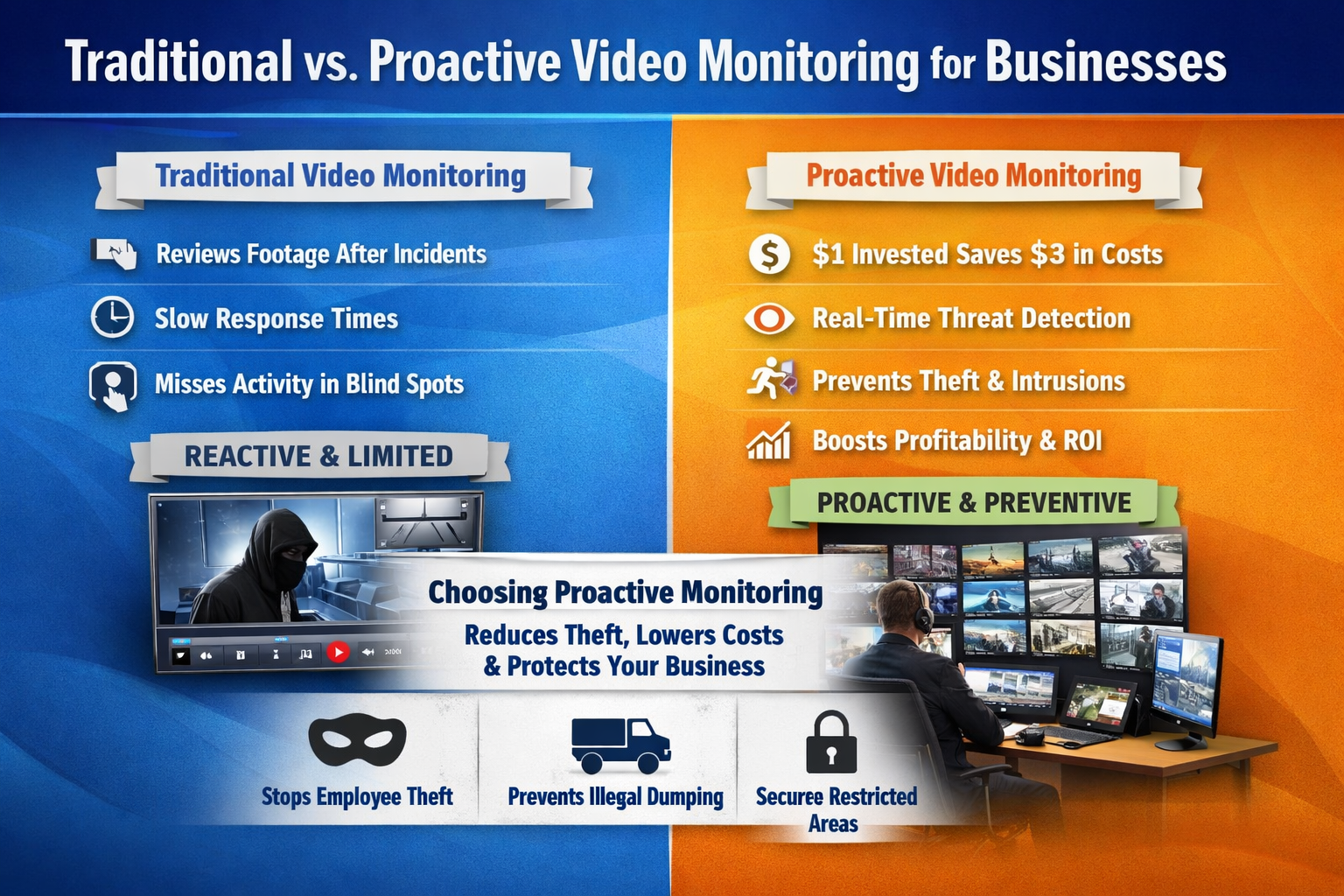
- Advanced video analytics & real-time alerting — AI-powered systems that flag suspicious behavior, even in crowded aisles, and alert staff before theft occurs. This helps monitor beyond what a human guard or old CCTV might catch.
- Secured high-value displays & smart inventory controls — For popular gift items, electronics, apparel — using locked display cases, controlled access, or secure storage rather than open shelves.
- Targeted staffing & training ahead of seasonal rush — Ensuring enough well-trained staff during peak hours, including dedicated loss-prevention personnel if possible.
- Pre-season risk assessment & store layout audits — Before the holiday season hits, reviewing store layout for blind spots, chokepoints, and evaluating where theft is more likely — then redesigning or proactively mitigating those zones.
- Collaboration with law enforcement & cross-industry partners — Sharing data, threat intelligence, and supporting or participating in combined retail-crime task forces. This becomes more critical during the holiday surge when organized retail crime tends to coordinate.
- Customer-centric communication & balanced security posture — Security must protect assets and preserve customer experience. Overly aggressive tactics can harm customer perception, so balance is key.
Looking Ahead: Why 2025/2026 Holiday Season Could Be a Defining Moment
As inflation, economic uncertainty, and social pressures grow, the holiday season may put even more pressure on consumers and retailers alike. With theft rising, organized crime evolving, and criminals leveraging technology, the stakes for retail security have never been higher.
Retailers who treat security as a strategic infrastructure — not just an overhead cost — and build layered, proactive, intelligent defenses may emerge stronger. Those who treat security as an afterthought risk deep shrinkage, lost profits, threats to safety, and long-term reputational damage.