Holiday Building Closures Are a Stress Test for Physical Security

A proactive guide for integrators and facilities leaders who protect what’s inside.
Every holiday season, thousands of clinics, offices, campuses, and commercial facilities temporarily close their doors. For physical security leaders, this isn’t downtime—it’s one of the highest-risk windows of the year. Empty hallways, reduced staff, and paused operations can quickly become vulnerabilities if a facility isn’t properly prepped.
Strong security isn’t reactive. It’s programmatic, automated, monitored, and auditable. When buildings close for the season, the organizations that fare best are the ones that treat holiday closures like a planned event—not an afterthought.
Here are the essential steps every integrator or facility leader should consider before turning off the lights for the holidays.
Lock It, Don’t Just Close It
- Confirm all perimeter entry points are fully locked, latched, and physically secured.
- Engage access control schedules to ensure doors automatically revert to holiday lockdown mode.
- Limit badge or credential access to essential personnel only (security, maintenance, emergency response).
- In addition, be sure to regularly review reports from your access control system and work with your integrator to enable real-time alerts for any unauthorized access attempts. When paired with security cameras, these notifications allow you to quickly identify suspicious activity and respond immediately—helping you deter incidents in the moment rather than after the fact.
Arm and Validate Every Alarm
- Activate intrusion detection before departure and confirm armed status.
- Enable forced-entry and motion alerts tied to immediate notifications.
- Notify monitoring partners of updated escalation contacts for the holiday period.
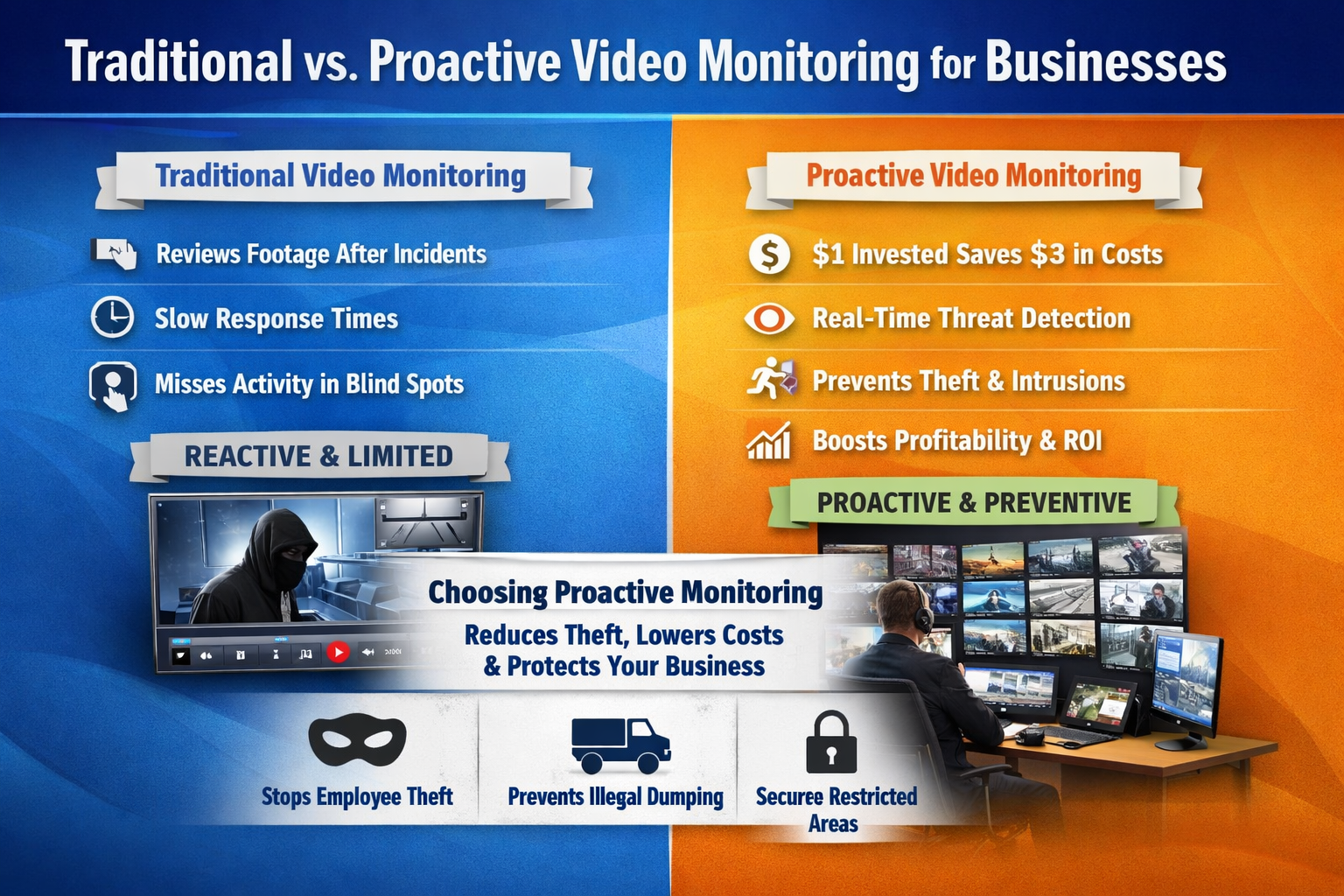
Make Sure Eyes Are Watching When Humans Aren’t
- Verify surveillance cameras are online, recording, and stored to protected media or cloud archive.
- Adjust critical views to key risk points: entrances, loading docks, pharmacies, storage cages, ATMs, and parking lots.
- Confirm camera tamper detection is active where available.
Keep Fire Systems in ACTIVE Supervision
- Confirm fire alarm control panels display normal status with no active trouble conditions.
- Never disable supervision or monitoring, even during closure.
- Ensure sprinkler valves remain open and tamper-supervised.
- Keep exit routes clear and emergency lighting powered.
Remove the Easy “Attack Tools”
- Clear ladders, tools, scatter décor, delivery boxes, and other items that could aid unauthorized access.
- Secure storage and critical system rooms behind physical locks.
- Store badges, master keys, and system credentials in protected lockboxes or safes.
Reduce Risk with Environmental Awareness
- Keep security and life-safety infrastructure powered (backup UPS recommended where available).
- Reduce HVAC to energy-efficient mode but avoid conditions that could freeze fire suppression piping in cold climates.
- Confirm any water-leak or environmental sensors remain active.
Light the Outside, Secure the Site
- Set exterior lighting schedules to dusk-to-dawn.
- Activate or schedule perimeter gates, parking restrictions, and dumpster enclosure locks where available.
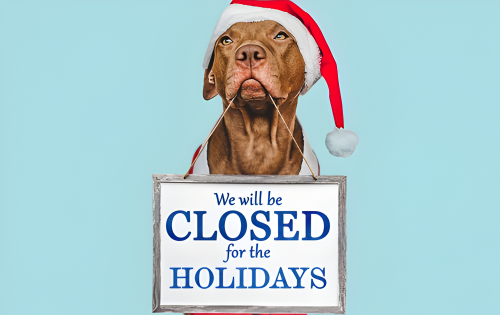
- Post clear holiday closure signage to reduce attempted entry traffic.
Complete a Documented Walk-Through
- Sweep every floor
- Confirm essential doors locked
- Validate alarm arm status
- Fire panels normal
- Cameras recording
Then, log closure time and any exceptions for audit or compliance teams.
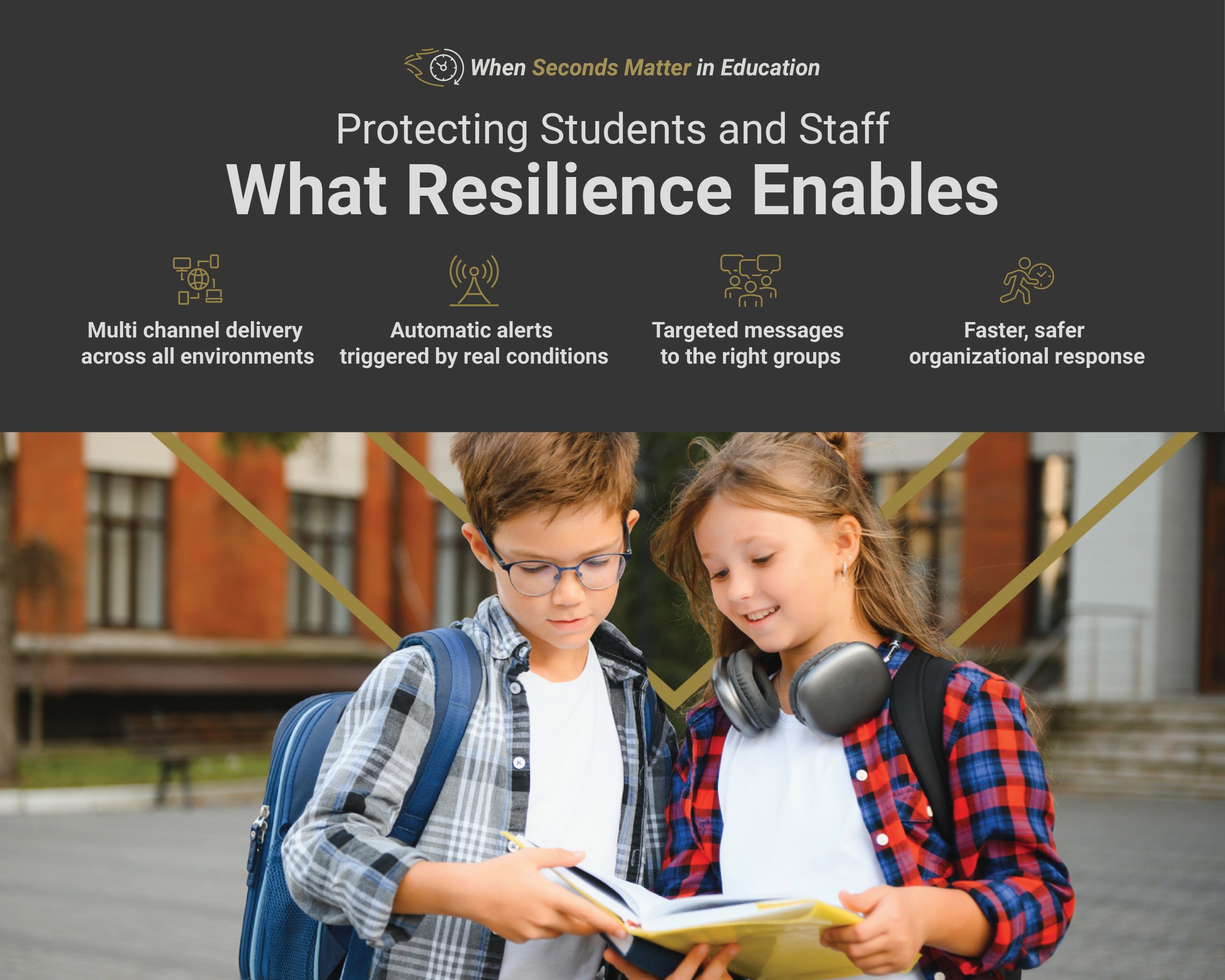
Security in Closed Buildings Isn’t About Occupancy—It’s About Resilience
The strongest facilities don’t rely on humans to remember holiday steps. They rely on systems that:
- Automate schedules
- Confirm state
- Send alerts
- Record evidence
- Maintain supervision
- Limit access
- Reduce physical risk factors
- Enable emergency response at all times
Holiday closures expose gaps fast. Organizations that plan for them build more than safer buildings—they build trust, uptime, and confidence for everyone who relies on them.