Organ Donor Awareness Month: Leave a Legacy That Saves Lives

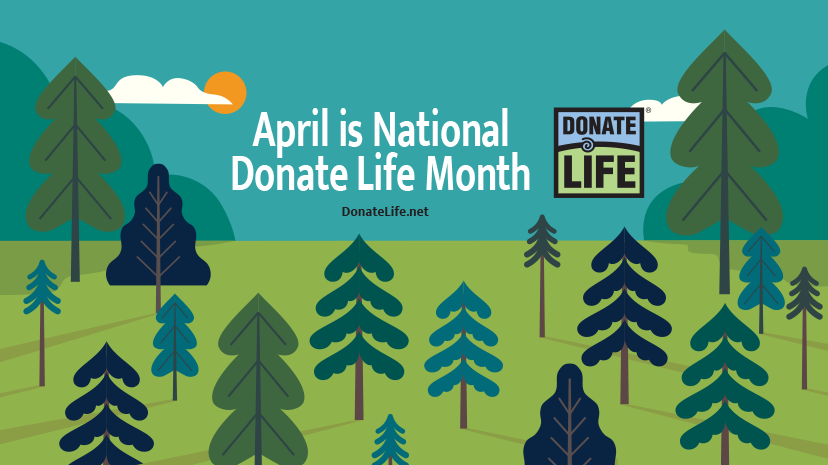
April is Organ Donor Awareness Month, also known as National Donate Life Month. This time is dedicated to raising awareness about the critical need for organ, eye, and tissue donors and the life-saving impact of donation.
Across the United States, more than 100,000 people are currently waiting for a transplant. For many, this is not just a statistic. It is a daily reality filled with uncertainty, resilience, and hope.
One donor has the power to save multiple lives and improve many more.
What Does “Leave a Legacy” Mean?
This year’s theme, “Leave a Legacy,” reflects the lasting impact of organ donation.
Inspired by the strength and interconnectedness of trees, the theme represents how one person’s decision can create a ripple effect, touching the lives of recipients, families, and entire communities. Just as a tree continues to grow and support life, a donor’s legacy lives on through those they help.
Why Organ Donation Matters
Organ, eye, and tissue donation plays a critical role in healthcare and community well-being. It:
- Saves lives and restores health
- Provides hope to patients and families
- Advances medical research and innovation
- Strengthens communities through shared impact
Despite its importance, the need for registered donors continues to exceed availability.
Key Statistics
- 108,960 people in the U.S. are currently on the transplant waiting list
- A new person is added to the list every 8 minutes
- More than 5,000 people die each year waiting for a lifesaving transplant
- One donor can save up to 8 lives and help more than 75 others
Organ Donation: Myth vs. Fact
There are many misconceptions surrounding organ donation. Understanding the truth can help more people feel confident in making this life-saving decision.
Myth: Doctors will not try as hard to save my life if I am a donor
Fact: Your life always comes first. The medical team treating you is completely separate from the transplant team
Myth: I might not really be dead when donation occurs
Fact: Donation only happens after strict legal and medical confirmation of death
Myth: I am too old or unhealthy to donate
Fact: Most people can donate. Medical professionals evaluate eligibility at the time
Myth: My family will be charged for donation
Fact: There is no cost to the donor or their family
Myth: Wealth or status affects who receives organs
Fact: Matching is based on medical need and compatibility only
Myth: My religion does not support donation
Fact: Most major religions view donation as an act of compassion and generosity
Myth: I cannot have an open-casket funeral
Fact: Donation does not prevent traditional funeral arrangements
Myth: Organ trafficking is a risk if I register
Fact: The U.S. donation system is highly regulated and secure
How You Can Make a Difference
Taking action is simple, but the impact can last for generations. You can:
- Register as an organ, eye, and tissue donor
- Have a conversation with your family about your decision
- Learn more about living donation
- Share information to raise awareness
These small steps can lead to life-changing outcomes for others.
Honoring the Gift of Life
Organ Donor Awareness Month is also a time to recognize:
- Donors who have given the ultimate gift
- Recipients whose lives have been transformed
- Families and caregivers who support them
- Clinical teams who make transplantation possible
Their collective efforts make lifesaving care possible every day.
A Shared Responsibility
At Pavion, our mission is to connect and protect. Supporting awareness initiatives like Organ Donor Awareness Month reflects that commitment by helping protect what matters most: people and their futures.
Take the Next Step
Registering as a donor takes only minutes, but the impact can last a lifetime.
Learn more or register today:
https://donatelife.net
Frequently Asked Questions
What is Organ Donor Awareness Month?
Organ Donor Awareness Month, also known as National Donate Life Month, is observed every April to raise awareness about the importance of organ, eye, and tissue donation and to encourage people to register as donors.
How many people are waiting for organ transplants in the U.S.?
More than 100,000 people in the United States are currently on the transplant waiting list, with a new person added approximately every 8 minutes.
What organs and tissues can be donated?
Donors can give organs such as the heart, lungs, kidneys, liver, pancreas, and intestines. Tissue donation can include corneas, skin, bone, heart valves, and more, helping restore health and improve quality of life.
Can anyone become an organ donor?
Yes. People of all ages and medical backgrounds can potentially become donors. Medical professionals evaluate each case at the time of donation to determine eligibility.
Does being an organ donor affect medical care?
No. A patient’s life is always the top priority. The medical team providing care is completely separate from the transplant team.
Is there a cost to donate organs?
No. There is no cost to the donor or their family for organ, eye, or tissue donation.
Do religions support organ donation?
Most major religions support organ donation and view it as an act of compassion and generosity.
Can I change my decision after registering as a donor?
Yes. You can update or remove your donor registration at any time if your preferences change.
How do I register as an organ donor?
You can register online through official organizations like Donate Life, when renewing your driver’s license, or through your state registry.
Why is it important to talk to my family about donation?
Sharing your decision ensures your wishes are understood and honored. It also helps your loved ones feel more confident supporting your choice.